

Transportation: The Overlooked Link in the H-2A Program





(Sponsored) In most discussions around the H-2A program, growers focus — rightly — on recruitment, housing, wages, and the steady stream of required filings. Transportation, by contrast, is often treated as a secondary concern. It is planned late, delegated quickly, or assumed to be “handled” by someone else.
That assumption, increasingly, is an unnecessary risk.
Transportation: Logistics for Some, Compliance for Others
From an operational perspective, transportation can seem like a purely practical matter. From a regulatory one, it is anything but. H-2A transportation obligations intersect directly with standards enforced by the U.S. Department of Labor (DOL) and the Department of Transportation (DOT), covering vehicle safety, driver qualifications, insurance, documentation, and timing.
The DOL has long been clear on one point: delegating a task does not equal delegating accountability. During audits or investigations, the central question is rarely who arranged the transportation. The question is whether the transportation met applicable requirements.
When it does not, responsibility rarely stops with the intermediary.
Why Transportation Is So Often Delegated
In practice, many growers assign transportation to labor processors or third parties as a way to simplify planning. During peak seasons, anything that reduces administrative burden feels like a win.
The tradeoff, however, is usually reduced visibility:
- Who is the actual provider?
- Is the insurance current and recognized?
- Are licenses and documentation in order?
- Does the cross-border model comply on both sides of the border?
When those answers are unclear, control is illusory.
Common Transportation Arrangements — and Their Risks
In practice, many H-2A workers arrive through transportation that is:
- Organized by fellow workers or informal drivers
- Coordinated by processors whose core business is not transportation
- Provided by companies without specialization in H-2A requirements
While some of these arrangements function without immediate incident, they can involve significant hidden risks, including:
- Vehicles that do not meet DOT safety standards
- Drivers without proper commercial licensing
- Inadequate or invalid insurance coverage
- Missing documentation for audits or inspections
If an accident, delay, or enforcement action occurs, responsibility often extends beyond the transportation provider to the employer who benefits from the labor.
Direct Contracting Brings Oversight Back Into Focus
Direct contracting with a specialized H-2A transportation provider is less about convenience and more about governance.
Removing intermediaries often brings:
- Clear pricing without embedded markups
- Direct access to licenses, insurance, and compliance records
- Fewer communication gaps
- Better alignment with H-2A timelines and workforce needs
This is not a matter of distrust. It is verification. As any regulator would quietly note, compliance is demonstrated through documentation, not assumptions.
Transportation as Risk Management
Growers with well-run H-2A programs tend to share a common mindset: they address risks early, not after something breaks. Transportation is integrated into labor planning from the outset, treated with the same seriousness as wages or housing.
Not because it is the most visible element — but because it is one of the most scrutinized.
Why Mexabus Is Part of the Solution
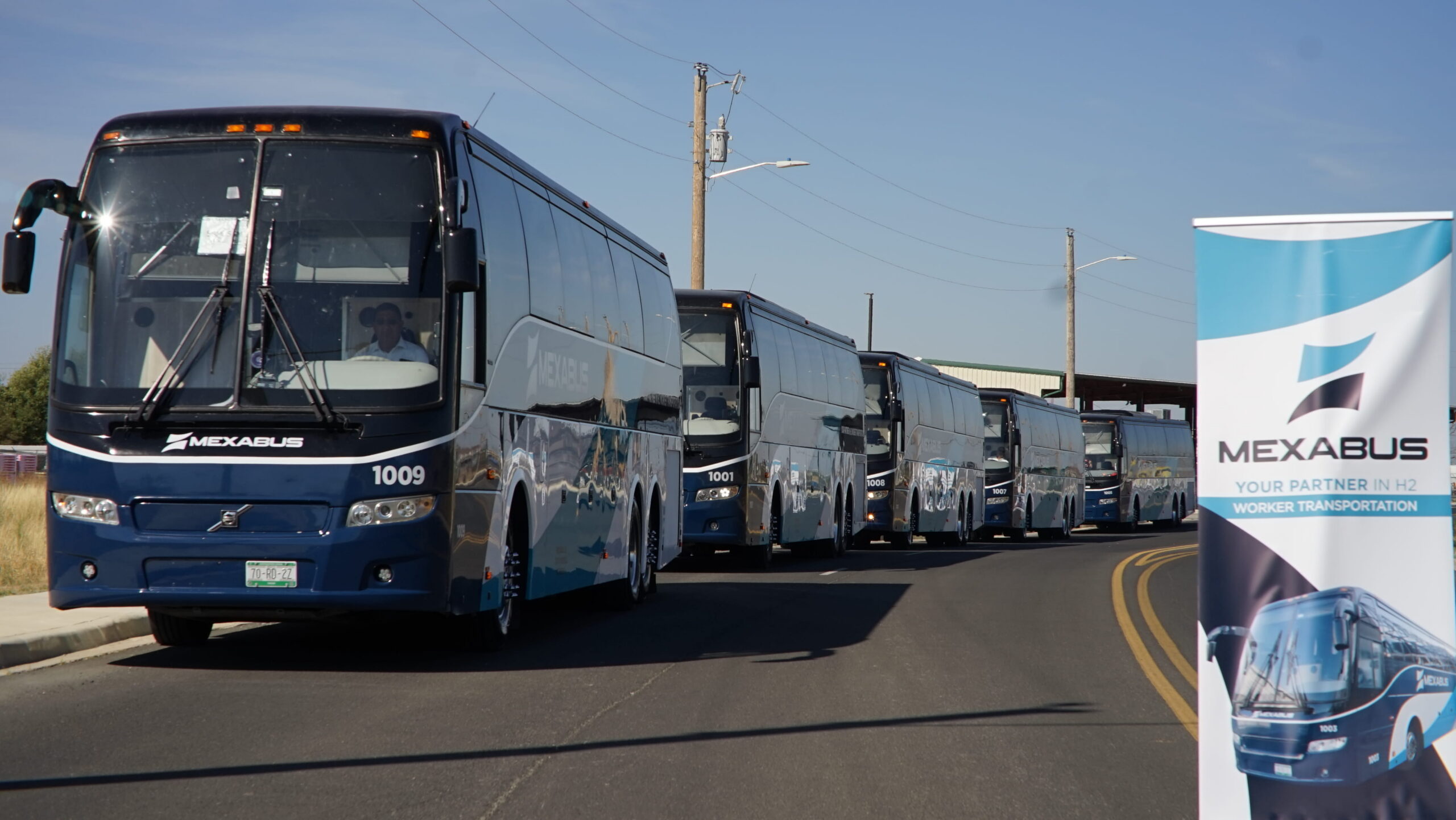
In that context, Mexabus stands out as a company with more than 10 years of experience dedicated exclusively to transporting H-2A workers from any part of Mexico to any destination in the United States. With a strong focus on regulatory compliance in both countries, operational reliability, and end-to-end coordination, Mexabus has become a strategic partner and an industry leader for growers seeking safe, compliant, and efficient workforce transportation. Beyond moving people, the company helps bring predictability, accountability, and peace of mind to one of the most critical stages of the H-2A process.
A Final Thought
Transportation may never dominate industry headlines, but the right provider can make the difference between a vulnerable process and a resilient one. In an environment of heightened scrutiny and shrinking tolerance for error, that distinction matters more than ever.
As the discussion above suggests, treating transportation as a core component of the H-2A program — structured, documented, and directly managed — places growers in a far stronger position when questions inevitably arise. It is not simply about getting workers from one place to another; it is about protecting the integrity of the entire operation.