

Illinois Extension: Postharvest orchard care is key to next season’s yields
Illinois Extension is encouraging apple growers to continue managing orchards after harvest, because healthy trees going into winter dormancy are crucial for maximizing next year’s crop.





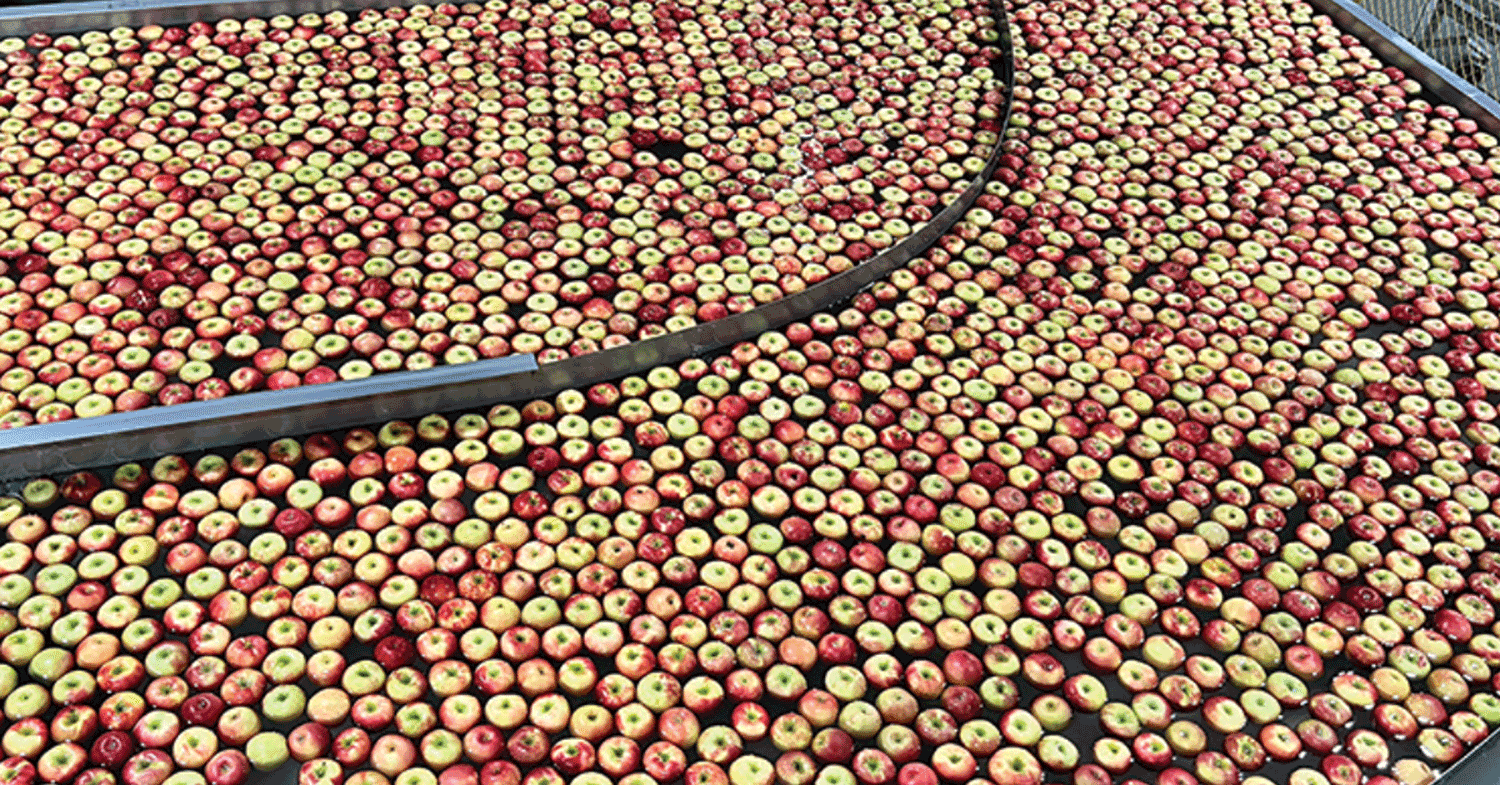
Although many apple growers are focused on harvest currently, the weeks immediately after picking can have a major impact on tree health and next season’s production, according to a recent Illinois Extension advisory.
Illinois Extension commercial agriculture educator Grant McCarty encouraged growers to view the postharvest period as an investment in the 2027 crop rather than the end of the growing season. Trees continue to photosynthesize after harvest, storing carbohydrates and nutrients that support winter dormancy, spring growth, flowering and early fruit set.
Following widespread spring freeze events in 2026, McCarty said many growers have asked what they can do this fall to improve bloom potential, help trees recover and better prepare their orchards for weather challenges. While growers have no control when it comes to next spring’s conditions, maintaining healthy trees through dormancy does improve overall resilience.
Among the key recommendations:
- Maintain a healthy canopy. Green, functioning leaves continue producing the carbohydrates trees need before dormancy. Premature defoliation caused by disease, insects, drought or nutrient deficiencies reduces reserve accumulation.
- Continue irrigating when needed. Trees still require adequate soil moisture after harvest while leaves remain active. Water stress can accelerate leaf drop and shorten the period available for storing energy reserves, particularly in young or high-density orchards.
- Keep scouting for pests and diseases. Even after fruit is removed, protecting canopy health remains important to maximize photosynthesis and tree vigor heading into winter.
- Support overall tree health. Whether orchards produced a full crop, partial crop or experienced significant losses from spring freezes, the objective remains the same: enter winter with healthy trees and strong carbohydrate reserves.
McCarty also highlighted comments from University of Wisconsin fruit specialist Amaya Atucha, who recently statred that the six to 10 weeks following harvest remain an active period for trees as they store away important carbohydrates and nutrients for the following season.
Illinois Extension advises growers to think beyond harvest and continue managing orchards until natural leaf drop to help position trees for another productive crop in 2027.