

NC State expands research to combat devastating strawberry disease
Researchers say continued collaboration among growers, nurseries, extension specialists and plant breeders is critical to developing effective management strategies for Neo-P.






North Carolina State University researchers are expanding efforts to help strawberry growers manage Neopestalotiopsis (Neo-P), an emerging fungal disease that has become an increasing concern in the Southeast and beyond.
The pathogen, first associated with major losses in Florida in 2017, was confirmed in North Carolina in 2022 and can spread undetected before symptoms appear.
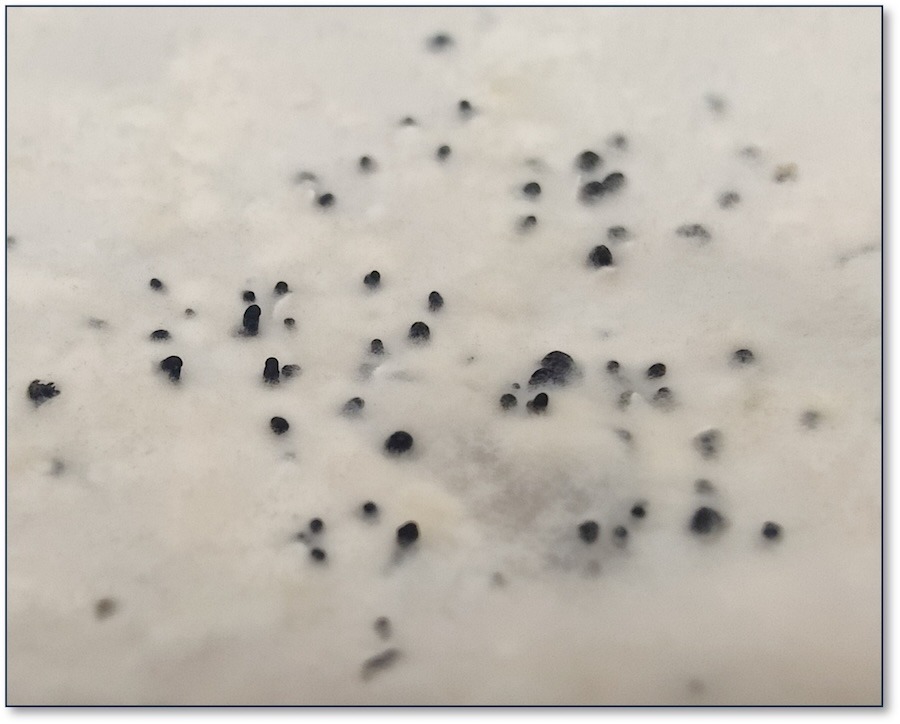
According to NC State, Neo-P poses a unique challenge because infected nursery plants often appear healthy when transplanted into production fields. By the time symptoms develop, plants may rapidly collapse, with the disease affecting crowns, leaves and fruit. The pathogen can spread through rain splash, contaminated equipment and worker movement.
The university has also published a useful fact sheet for growers to learn more about Neo-P in strawberries. You can find that fact sheet here.
Mark Hoffmann, NC State Extension strawberry specialist and associate professor of horticultural science, said growers, nurseries and breeding programs are adapting management practices while researchers work to improve control strategies.
Current integrated pest management (IPM) recommendations emphasize intensive field scouting, timely fungicide applications, sanitation practices and crop rotation. Hoffmann noted that while these practices require additional labor and management, they can help reduce disease pressure as research continues.
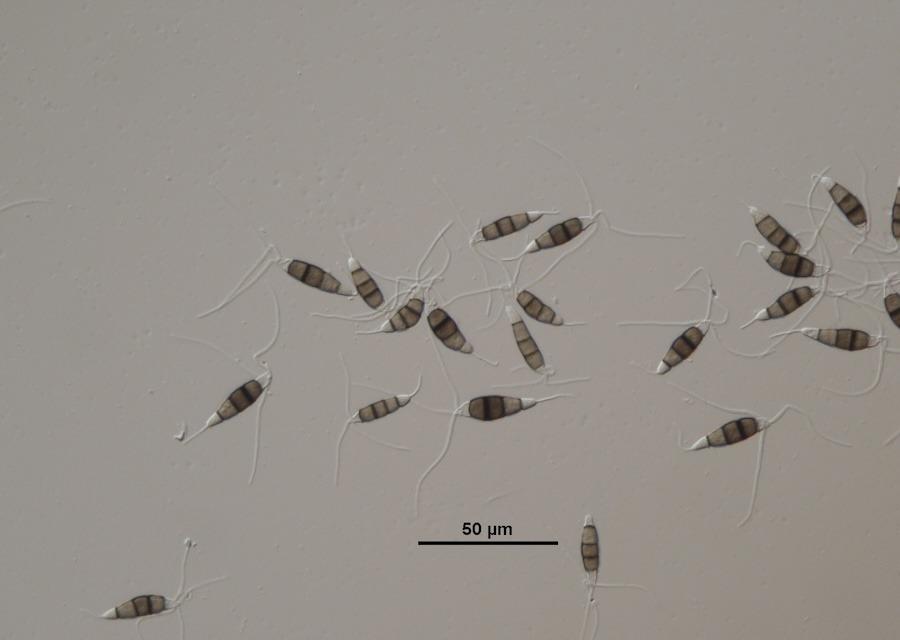
NC State scientists are also evaluating strawberry germplasm for disease resistance, studying where and when infections occur, developing systems to produce pathogen-free planting material and testing artificial intelligence-based tools that could detect the fungus before visible symptoms develop.
In a recent review published in Frontiers in Plant Science, NC State researchers called for an integrated approach that includes pathogen-free nursery production, improved sanitation, crop rotation and continued breeding for resistance.
Austin Wrenn, president of the North American Strawberry Growers Association and a North Carolina strawberry grower, said the disease is especially concerning because growers often invest significant production costs before harvesting their first berries, making major losses financially devastating.
NC State researchers say continued collaboration among growers, nurseries, extension specialists and plant breeders is critical to developing effective, long-term management strategies for Neo-P. The university’s work is supported in part by seed research funding from the North Carolina Department of Agriculture and Consumer Services.
Read the full article over at NC State Universities’ CALS News blog here.