

Study finds strawberry powdery mildew evolved separately across continents
Researchers discovered that the powdery mildew infecting strawberries in North America is genetically different from the version found in Europe and Asia.





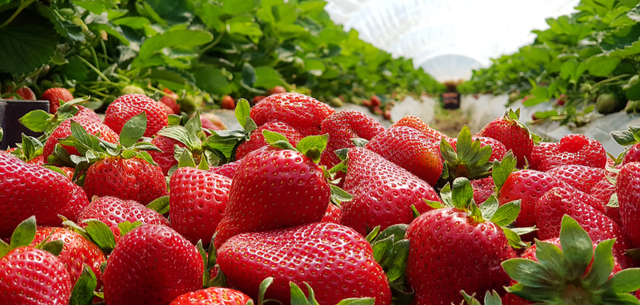
Researchers at NC State University have uncovered a surprising origin story behind a common fungal disease that affects strawberries and raspberries. Instead of spreading globally from one original source, the fungi appear to have already existed in different regions and later jumped onto newly introduced crops, according to this news alert from Eurekalert.org.
The study focused on powdery mildew, a fungal disease that leaves plants coated in a white, dusty-looking film. The disease weakens plants by stealing nutrients and interfering with photosynthesis. Different forms of powdery mildew also affect crops like grapes, wheat and blueberries.
Scientists analyzed both modern and historical infected plant samples from North America and Europe, including some leaves that were more than a century old. Using genetic testing, they traced the evolutionary history of the fungi that infect strawberries.
What they found challenged a long-standing assumption about how plant diseases spread.
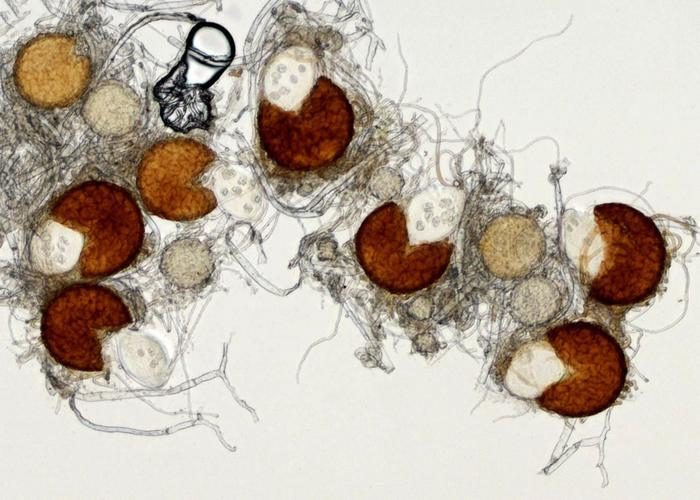
Researchers discovered that the powdery mildew infecting strawberries in North America is genetically different from the version found in Europe and Asia. The two fungi split from a common ancestor more than five million years ago, long before strawberries were widely cultivated and transported around the globe.
That means the disease likely didn’t spread worldwide from one location. Instead, closely related fungi were already living on native plants in different regions. When strawberries and raspberries were introduced into those areas, the fungi “jumped” onto the new hosts.
Lead researcher Michael Bradshaw says the findings suggest this kind of host jump may be more common than scientists once thought. Rather than invading from abroad, some crop diseases may emerge when existing local pathogens adapt to newly introduced plants.
The discovery could help researchers better understand — and potentially predict — the emergence of future plant diseases, especially as crops continue to move around the world through agriculture and trade.
The team also warns that the North American and European fungi could eventually spread across continents through transported plant material. If that happens, researchers want to know whether the fungi would compete, coexist or even combine in ways that could make the disease more damaging.
The study, published in the Proceedings of the National Academy of Sciences, was funded in part by the National Science Foundation and the U.S. Department of Agriculture.