

Farm Market & Agritourism — Communicating weather challenges: How to turn setbacks into opportunities
Learn successful strategies for effective messaging around crop losses from this spring’s freeze and keeping your customers informed and engaged.





Key takeaways
- Customer relationships should remain the focus when communicating weather-related crop losses.
- Positive messaging should highlight available products and farm experiences rather than shortages.
- Acknowledge, reassure and redirect provides a practical communication framework.
- Educational messaging helps customers understand weather impacts on production and pricing.
- Agritourism and farm experiences can help offset reduced crop availability.
Spring weather in 2026 has been a challenge across many regions of the country.
Here in Pennsylvania, a freeze event that struck growers across the state on April 20 and into the morning of April 21 caused widespread and historic losses across the state’s plant industries.
Miranda Harple, interim director for the Center for Plant Excellence, stated on the organization’s website:

“Pennsylvania’s plant industries are among the most diverse in the nation, and that breadth was on full display this spring as the late April freeze touched nearly every sector. From orchards and vineyards to nurseries, Christmas tree farms and small fruit operations, growers across the commonwealth are reporting significant losses, with some describing the situation as the worst damage they have ever experienced.”
Weather events like spring freezes are an unavoidable part of farming, but how farms communicate those impacts can significantly affect customer perception and loyalty.
A recent webinar discussion among Extension educators and growers highlighted that the most successful farms are not those that avoid sharing bad news, but those that frame it thoughtfully, balancing honesty with optimism and always keeping the customer relationship front and center.
Stay positive
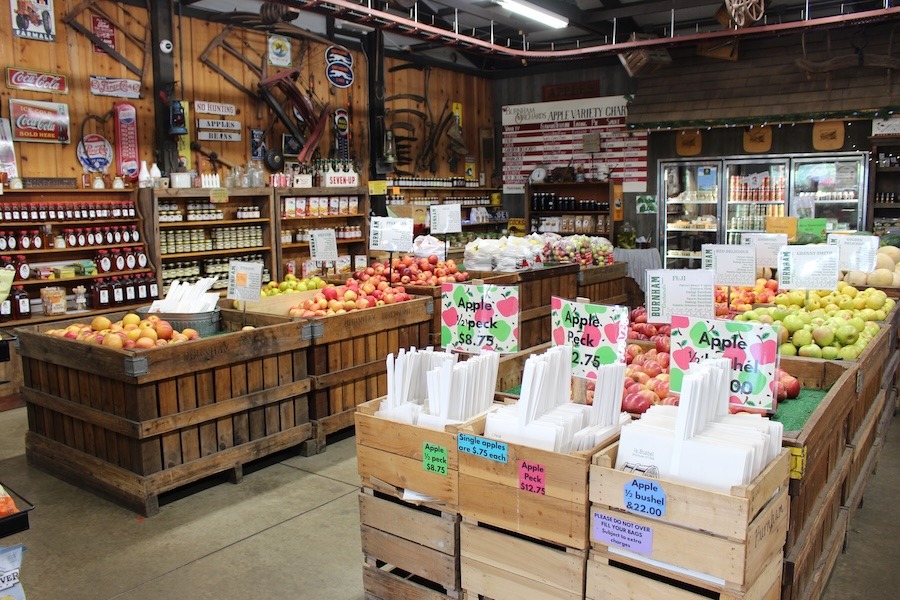
At the heart of effective communication is the idea that farms should lead with their relationship with customers, rather than lamenting the problem itself.
Instead of opening messages with hard statistics around crop loss or damage, growers have found it more effective to begin by reinforcing the connection they share with their community. Customers who feel like they are part of the farm’s story, whether through regular visits, family traditions or shared experiences are far more likely to remain supportive, even in difficult seasons. Framing a freeze as a “challenge” rather than a disaster helps maintain that connection while setting a constructive tone.
Honesty, as always, remains essential in effective customer communications, but it must be paired with careful messaging. Farmers emphasize the importance of being transparent about uncertainty without rushing to definitive conclusions.
Focus on what’s there, not what’s missing
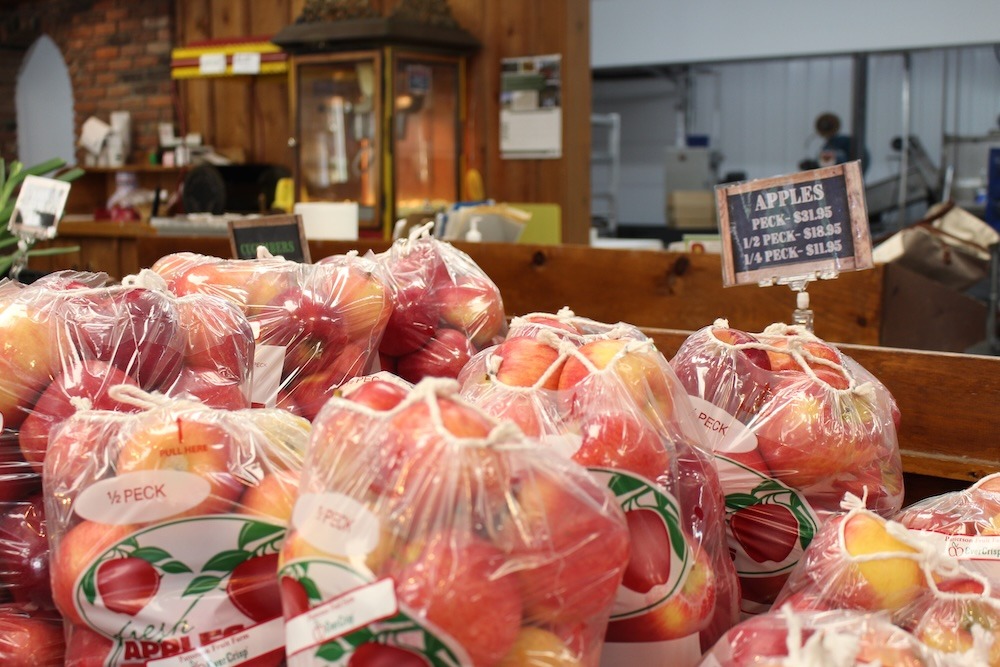
A critical strategy is to focus your messaging on what is still available rather than what has been lost. Farms that dwell on missing crops risk driving customers away, while those that highlight remaining products and experiences give customers a reason to keep coming back.
Whether it is a surviving fruit crop, a strong flower season or expanded agritourism activities, emphasizing availability keeps the narrative positive and forward-looking. As one participant noted, the goal is not to market losses, but to market what still makes the farm worth visiting.
Maintaining a positive tone does not mean ignoring difficulties; rather, it involves actively identifying and communicating the “silver lining.” Growers repeatedly emphasized their commitment to avoiding “doom-and-gloom” messaging, even when outside media coverage focused heavily on losses. By highlighting resilience, diversification and opportunities for learning, farms can shift the narrative from crisis to adaptability. This perspective not only reassures customers but also strengthens their appreciation for the complexities of farming.
In practical terms, many farms rely on a simple but powerful communication framework:
- First, acknowledge the issue honestly; for example, noting that a particular crop will be lighter this year.
- Next, reassure customers that the farm still offers valuable experiences or products.
- Finally, redirect attention to alternatives, whether that might mean suggesting different varieties, promoting other crops or highlighting on-farm agritourism activities.
This approach keeps conversations constructive and prevents customer disappointment from turning into disengagement.
Show strength, adaptability
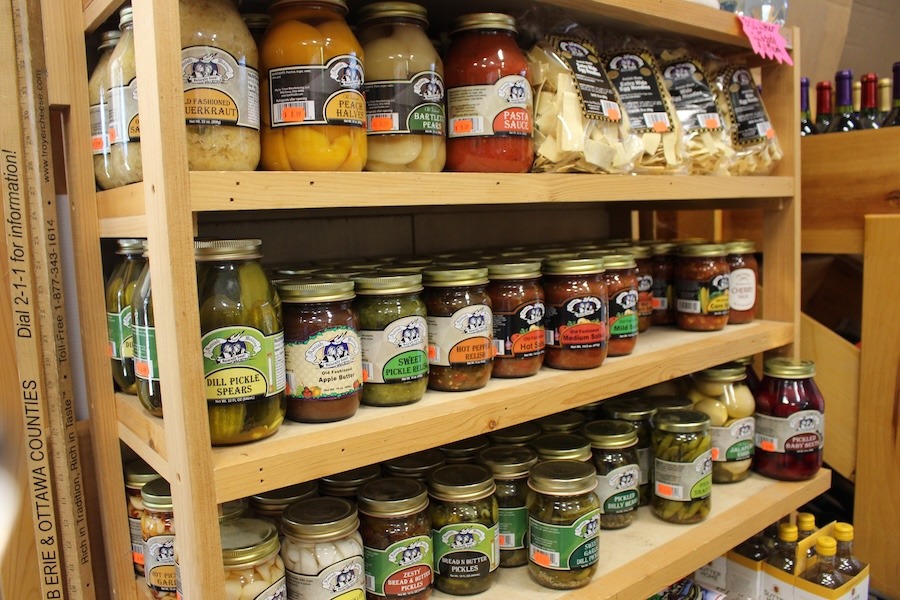
Another important theme is the emphasis on continuity and resilience. Customers need to know that even if a season is different, the farm itself is stable and moving forward. Messaging that reinforces long-term commitment — phrases like “we’re still here” or “grow with us” — helps maintain customer confidence and encourages ongoing support. This is particularly important for farms that rely heavily on repeat customers and generational loyalty.
Education also plays a powerful role in shaping customer perceptions. Weather challenges provide an opportunity to explain the realities of farming, from the risks of frost to the reasons behind limited supply or higher prices. When customers understand the “why” behind changes, they are often more willing to adapt — whether that means trying a new variety, accepting different product appearances, or supporting price adjustments. By turning challenges into learning moments, farms can deepen customer engagement and trust.
Finally, successful communication recognizes that farms offer more than products — they offer experiences. In years when certain crops are limited, shifting attention to events, family activities and the overall farm atmosphere can help offset reduced harvests. Whether through agritourism, partnerships or creative programming, these experiences give customers reasons to visit beyond a single crop, preserving both revenue and relationships.
FAQs
How should farms communicate crop losses?
By being honest, reassuring customers and highlighting available products and experiences.
Why is positive messaging important after weather damage?
It helps maintain customer loyalty and keeps the focus on what the farm can still offer.
What communication framework does the article recommend?
Acknowledge the issue, reassure customers and redirect attention to available alternatives.
How can farms educate customers during difficult seasons?
By explaining weather impacts, production challenges and the reasons behind supply or pricing changes.
What role does agritourism play after crop losses?
Agritourism provides customers with reasons to visit beyond a single crop and helps preserve revenue and relationships.
Brian Moyer is an educational program associate with Penn State Extension. As founder of PA Farm Markets LLC and founder and manager of the Skippack Farmers Market, Moyer specializes in assisting farmers markets, retail farm markets, direct-to-consumer sales, and new and beginning farmers with marketing, business and regulatory issues.