

How Farm Markets are adapting pricing strategies and embracing agritourism
Operators are rethinking pricing strategies by blending intuition and creating unique experiences to drive sales. Find out how your peers are adapting





Key takeaways
• More than 60% of operators use competitor benchmarking for pricing.
• Input costs and labor remain major pricing factors.
• Premium pricing is driven by niche crops, limited availability and varieties.
• U-pick and pre-picked pricing varies widely across operations.
• Organic products generate strong annual sales for many operators.
• Agritourism continues to grow as a supplemental revenue stream.
Farm market pricing strategies are becoming more flexible, with operators relying on intuition and customer feedback to set prices shoppers are willing to pay.
Many operators also report success by emphasizing the story and experience behind their products rather than focusing solely on product attributes. They say this approach helps boost sales and keep customers engaged.
More than 60% of farm market owners and operators surveyed in the 2026 Great American Media Services Farm Market Pricing Report said competitor benchmarking remains their primary pricing method.
However, many respondents noted the need to stay adaptable, using what one described as “a best guess at consumer willingness to pay.”
At the same time, cost pressures remain high. Just over half of respondents reported increased overhead costs in the past year.
Input costs — including crop production expenses and labor — continue to drive pricing decisions, with 41% of respondents identifying them as top factors. Grower time andlabor followed closely at 40%, while 33% said they use informal price checks at local grocery stores to guide pricing.
Premium pricing drivers
When it comes to premium pricing, respondents pointed to several key factors:
• Specialty or niche crops (51%)
• Limited availability (44%)
• Specific varieties (66% said they charge more for certain varieties)
“At one market stand we charge higher prices [because] it’s a different clientele,” one respondent said. “We have to educate them about our mission and how they are supporting it. Also, high quality, locally grown and sustainable practices.”
RELATED – Farm Market & Agritourism: 7 smart strategies to flip your market into a customer magnet
The survey included responses from farm market operators across 36 states, with the largest participation coming from Michigan, Ohio, Pennsylvania, Illinois, Wisconsin, Indiana and Georgia.
U-pick vs. pre-picked
With many farms offering u-pick options, pricing strategies vary widely between u-pick and pre-picked produce.
About 58% of respondents said they charge different prices for u-pick and pre-picked items, while 42% charge the same.
Written responses showed no clear standard. Some operators charge an additional 25 cents per pound for pre-picked produce, while others charge significantly more — in some cases double the u-pick price.
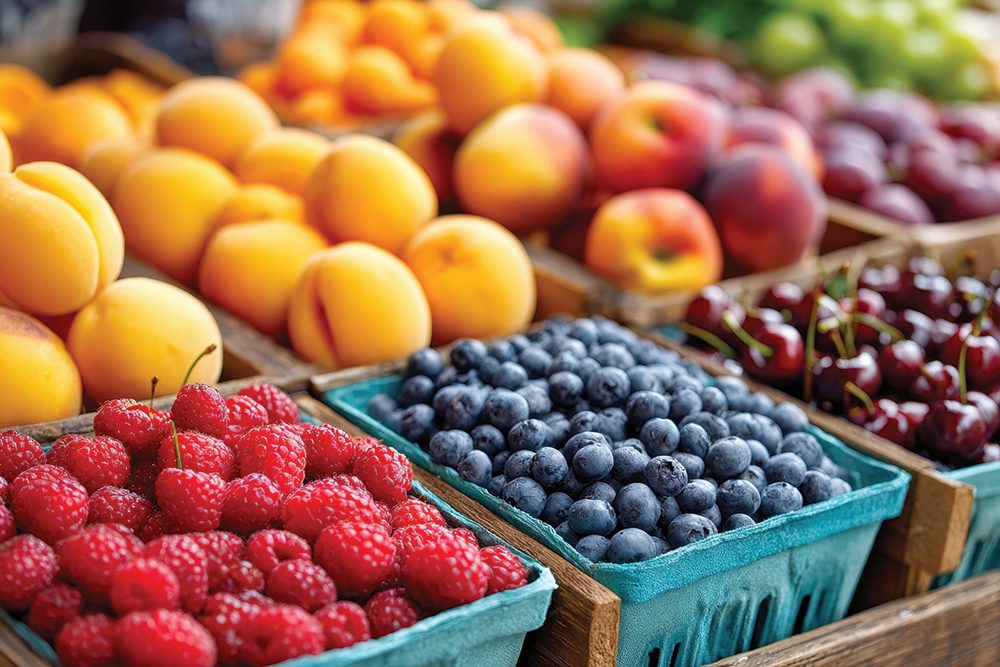
For example, one respondent reported charging $15 per gallon for u-pick blueberries and $30 for pre-picked. Despite these examples, pricing approaches vary across operations and, with labor costs still rising, operators need to consider how they price pre-picked offerings to recoup some of the cost from paying hand-harvesting crews.
Organic: Small footprint, strong returns
While only 23% of respondents said they offer organic fruits and vegetables, 57% of those operators reported that organic products account for more than half of their total annual sales.
Agritourism shows growth potential
Agritourism continues to gain traction, though adoption is far from universal.
Fifteen percent of respondents said they are exploring on-farm events such as weddings and private celebrations as a new revenue stream. Currently, 25% host fall-only events, while 43% host one to two events per season. Just 13% host more than 10 events annually, showing room for growth.
Most operators (70%) do not charge admission for agritourism activities, instead using on-farm events to drive foot traffic and boost market and u-pick sales. Among those who do charge admission, 64% set prices between $5 and $10, while 27% charge $11 to $15 per person.
Nearly 90% of respondents said admission fees account for just 1% to 25% of total revenue.
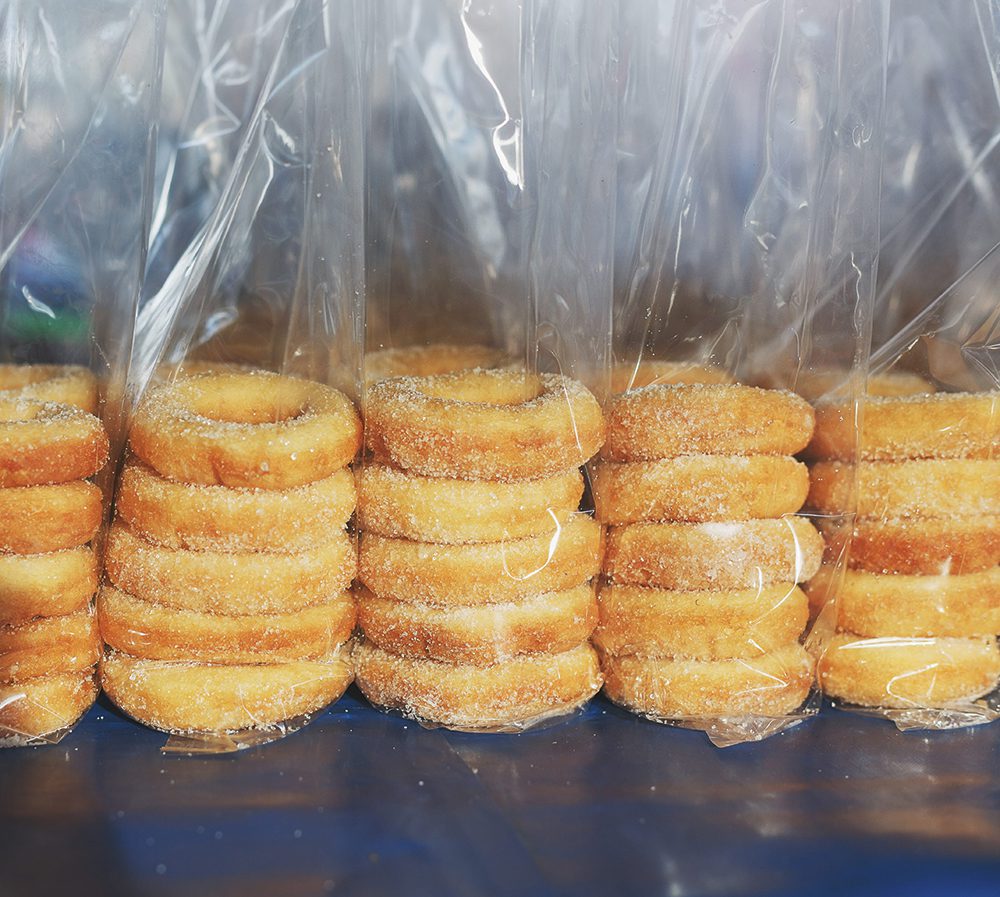
Fresh baked goods and beverage offerings remain a key part of the agritourism experience. About 40% of markets sell baked goods such as doughnuts, pies and cookies. Doughnuts are clearly the most popular item with operators and customers, with 56% charging $10 to $20 per dozen.
Apple cider pricing also varies, with most operators charging between $6 and $12 per gallon. A smaller share (5%) reported prices of $13 to $15 per gallon.
Despite growth in agritourism, expansion plans remain limited. About 77% of respondents said they do not plan to add outdoor attractions such as playgrounds, bounce houses or corn mazes in the coming year. Thirteen percent have plans in place to add features, while 9% remain undecided.
FAQs
What is the primary pricing method used by farm markets?
Most respondents said competitor benchmarking remains their primary pricing strategy.
What factors drive premium pricing?
Specialty crops, limited availability and specific varieties were key premium pricing drivers.
Do farm markets charge differently for u-pick produce?
Yes, 58% of respondents said they charge different prices for u-pick and pre-picked items.
How important is agritourism revenue?
Most operators said admission fees account for 1% to 25% of total revenue.
What baked goods are most popular at farm markets?
Doughnuts were identified as the most popular baked good item.