

Farm Market & Agritourism: 7 smart strategies to flip your market into a customer magnet
Attention to detail can pay off with increased foot traffic and higher sales. Learn practical tips to drive engagement at your market.





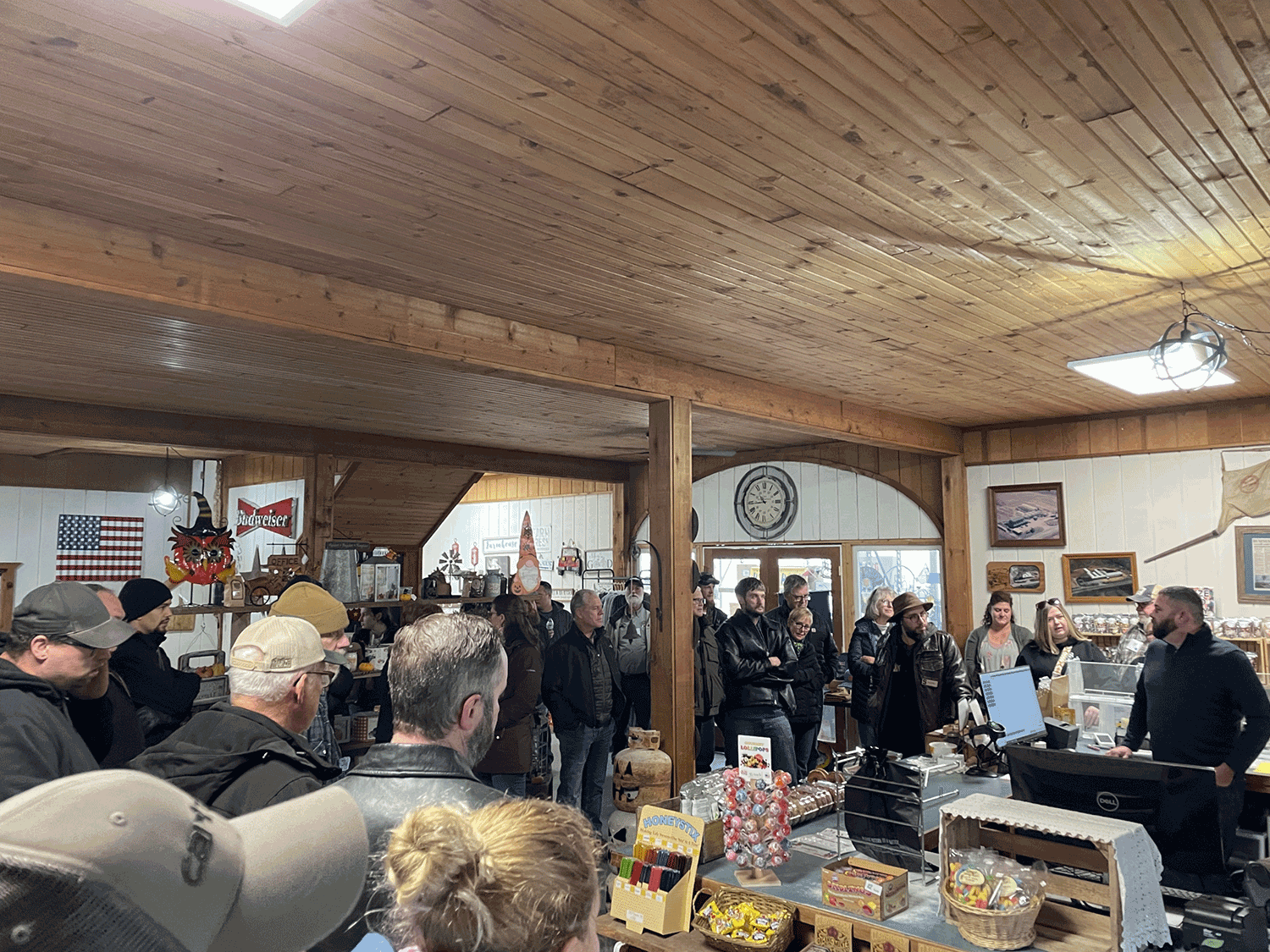
What separates a thriving farm market from a mediocre one? While fundamentals remain constant, customer expectations, compliance requirements and marketing tools continue to evolve.

The following best practices, supported by research and industry guidance, highlight the essentials every market should review regularly.
1. Promotion: strategic branding and visibility. Strong branding and high-quality signage remain among the most cost-effective tools to increase customer traffic and sales. Today’s shoppers expect a consistent, professional market identity offline and online.
- Unified brand identity: Your logo, fonts and colors should appear across entrance signs, product labels, staff shirts, price signs, your website and your social media presence. A cohesive visual identity builds recognition and trust.
- Story-driven messaging: Customers are more values‐driven than ever. Use signage and online content to highlight your story, sustainability practices and community involvement.
- Effective roadside signage: Large, readable signs placed far enough for drivers to react (1,200 feet is recommended) help customers navigate to your market. Use high‐contrast colors and minimal text.
2. Paint: a fresh, clean, professional look. Cleanliness continues to rank among the top factors shaping customer perceptions of quality.
- Favor light, reflective colors to enhance perceived cleanliness and improve energy efficiency in indoor markets by boosting natural light.
- Incorporate accent colors tied to your brand palette to strengthen market identity.
3. Parking: capacity, compliance and accessibility. Parking remains one of the most overlooked yet impactful elements of market design. A good rule of thumb is five spaces per 1,000 square feet of retail space, but consider:
- Peak seasonal surges
- Event‐day overflow planning
- ADA updates and enforcement
Accessibility matters. Beyond ADA stall ratios, provide wide, clearly marked pedestrian pathways and signage directing customers from parking to the entrance. Accessibility is now a core requirement for successful market planning.
4. Price: clarity, consistency and customer education. Clear, attractive price signage remains critical.
- Use consistent formatting, ideally with your branded colors or logo for professional appeal.
- Include product benefit language (e.g., “Granny Smith — great for baking”). This continues to be effective and aligns with the consumer’s desire for cooking guidance and product transparency.
- Add digital displays or QR codes when appropriate for recipes, farm stories, variety details, or storage tips. Younger shoppers especially appreciate this technology.
5. Personality: the environment and your people. A market’s personality comes from both its physical environment and the staff who bring it to life.
- Staff training: Current research emphasizes customer service as a major driver of market loyalty. Regular short trainings on product knowledge, hospitality and customer engagement have been shown to increase return visits.
- Experience-focused layout: Shoppers today seek memorable experiences. Sampling stations, photo spots, cooking demos and seasonal mini‐events help build your market’s identity.
6. Packaging: clean, fresh and sustainable. Packaging influences perceived quality, safety and brand identity.
- Clear, eco-friendly packaging is now expected by many consumers, especially sustainability-minded shoppers.
- Keep displays well-lit and rotate products to maintain freshness.
- Highlight reusable or compostable packaging options when possible. This aligns with current consumer values and can support premium pricing.
7. Pest control: customer‐friendly solutions. Pest control is critical, especially in open-air markets, as cleanliness strongly influences customer perceptions.
- Use non-intrusive, customer-friendly controls such as vinegar traps for fruit flies.
- Incorporate waste management and sanitation into your overall market layout. This is now recognized as a core element of farm market design.
- Keep trash bins covered, emptied frequently and placed strategically away from entrances and food displays.
For farm markets striving for excellence, returning to the basics and updating them to current trends ultimately leads to long-term success.
LAST MONTH – Farm Market & Agritourism: Target marketing to reach your audience
Brian Moyer is an educational program associate with Penn State Extension. As founder of PA Farm Markets LLC and founder and manager of the Skippack Farmers Market, Moyer specializes in assisting farmers markets, retail farm markets, direct-to-consumer sales, and new and beginning farmers with marketing, business and regulatory issues.