

AgTech firm launches early crop disease detection system with 99% trial accuracy





Key takeaways:
- AGR has developed a system that detects crop afflictions more than a week earlier than traditional methods.
- The platform combines satellite imagery and handheld scanners, achieving 99% accuracy in controlled trials.
- Field pilots are underway in the United States and Australia, supported in part by NASA and NSF funding.
An AgTech startup has introduced a system designed to detect and treat common crop issues earlier than traditional methods, with field pilots now underway in the United States and Australia.
Advanced Growing Resources (AGR), based in Rochester, New York, said its platform can identify crop afflictions more than a week earlier than standard field scouting protocols and lab-based diagnostics. The system combines satellite imagery with handheld field scanners.
Field scanners replace lab testing delays
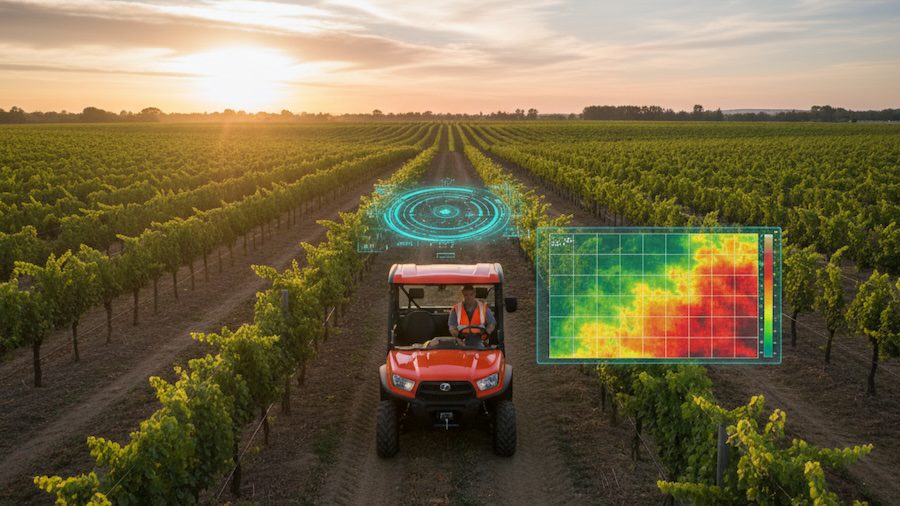
The technology uses AI-assisted imagery to flag potential problems before they are visible in the field, then applies a handheld device to analyze plant conditions. The company said its system achieved 99% accuracy in controlled field trials and is designed to help determine precise chemical application rates to reduce waste and manage input costs.
Francis Pellegrino, the company’s founder and CEO, said the goal is to help growers make earlier, more informed treatment decisions.
“What they don’t have is a way to spot trouble early enough to weigh costly decisions,” Pellegrino said.
AGR reported more than $2 million in contracts and grants, including support led by the National Aeronautics and Space Administration (NASA) and the U.S. National Science Foundation (NSF).
Trials span major row and specialty crops
Field pilots currently cover more than 1,000 crop afflictions across major commodities including corn, soybeans, wheat, cotton, grapes and oranges, with additional crops in development.
The company developed the system in collaboration with Cornell University College of Agriculture and Life Sciences (CALS), Virginia Tech Extension and the University of Rochester Institute of Optics.
AGR said early-stage pilot programs are being offered to a limited number of operations in both countries.
FAQ:
Q: What does AGR’s technology do?
A: It detects and prescribes treatment for common crop afflictions using satellite imagery and handheld scanners.
Q: How early can it detect crop issues?
A: The company said it can identify problems more than a week earlier than standard methods.
Q: What crops are included in the pilots?
A: Corn, soybeans, wheat, cotton, grapes and oranges, among others.
Q: Where are the pilots taking place?
A: In the United States and Australia.
Q: Who is supporting the project?
A: Funding includes contracts and grants led by NASA and the U.S. National Science Foundation.
What this means:
Earlier detection tools could shift crop management toward more precise, in-field decision-making and potentially reduce reliance on delayed lab diagnostics.