

California farms adapt to water crisis with AI, drip irrigation and permanent crops





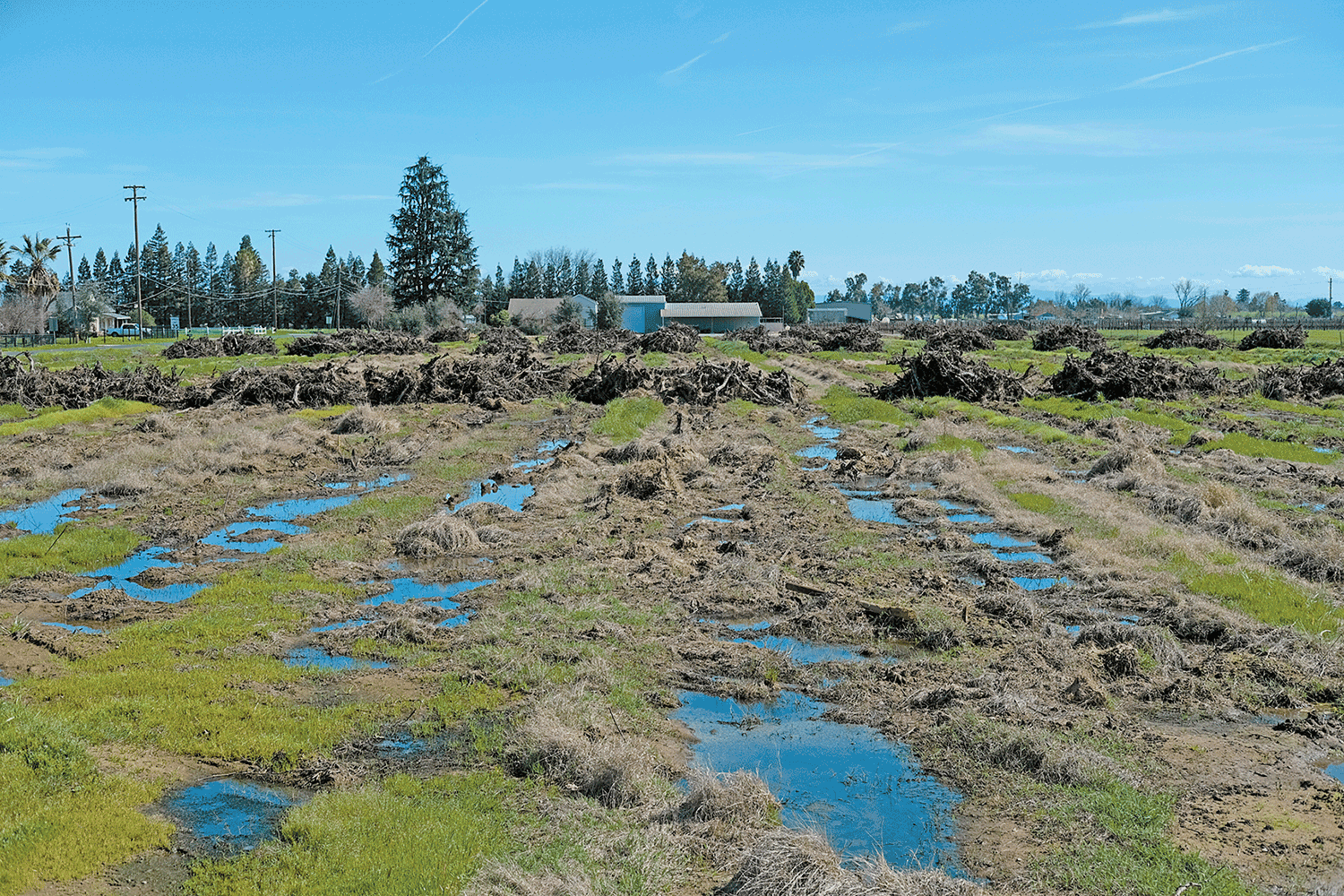
According to reporting from Katie Rodriguez with California Farm Bureau, farmers throughout the Golden State are bracing for a difficult water year as the state records its second-lowest April snowpack on record, with unusually warm temperatures accelerating snowmelt and reducing available surface water. And growers south of the Sacramento-San Joaquin River Delta are preparing for even tighter irrigation water supplies, forcing many into difficult planting decisions.
In Fresno County, farmer Dan Errotabere told Rodriguez he expects to operate with just a 20% water allocation from the federal Central Valley Project. The constraints are forcing him to fallow up to 30% of his land, particularly impacting water-intensive annual crops. Like many growers, he is shifting focus toward permanent crops and maximizing efficiency through drip irrigation and soil monitoring—though gains from these methods are reaching their limits.
New technologies are emerging to help bridge the gap. Experts say the latest advances combine drip irrigation with artificial intelligence and data analytics, allowing farmers to fine-tune water use. Systems like AgMonitor analyze energy and satellite data to track crop water demand, helping farms cut irrigation by 10% to 15% while lowering energy costs.
Other farms are adopting automation infrastructure such as LoRaWAN networks, which remotely control irrigation systems and reduce labor needs while improving precision. At Terranova Ranch, the systems enable real-time adjustments to pumps and valves, optimizing water delivery across fields.
Growers are also experimenting with alternative practices and crops. Some are testing biochar to improve soil water retention, while others are planting drought-tolerant crops like agave as a long-term adaptation strategy.
Meanwhile, researchers are developing next-generation tools, including robotic soil-mapping systems that measure moisture variability across fields. These innovations aim to reduce overwatering and give farmers more precise insights into plant needs.
Despite ongoing uncertainty, experts say these technologies—and the farmers adopting them—will play a critical role in maintaining California’s agricultural dominance amid increasing water scarcity.