

Up the cherries: Inside True Tart certification (Q&A)





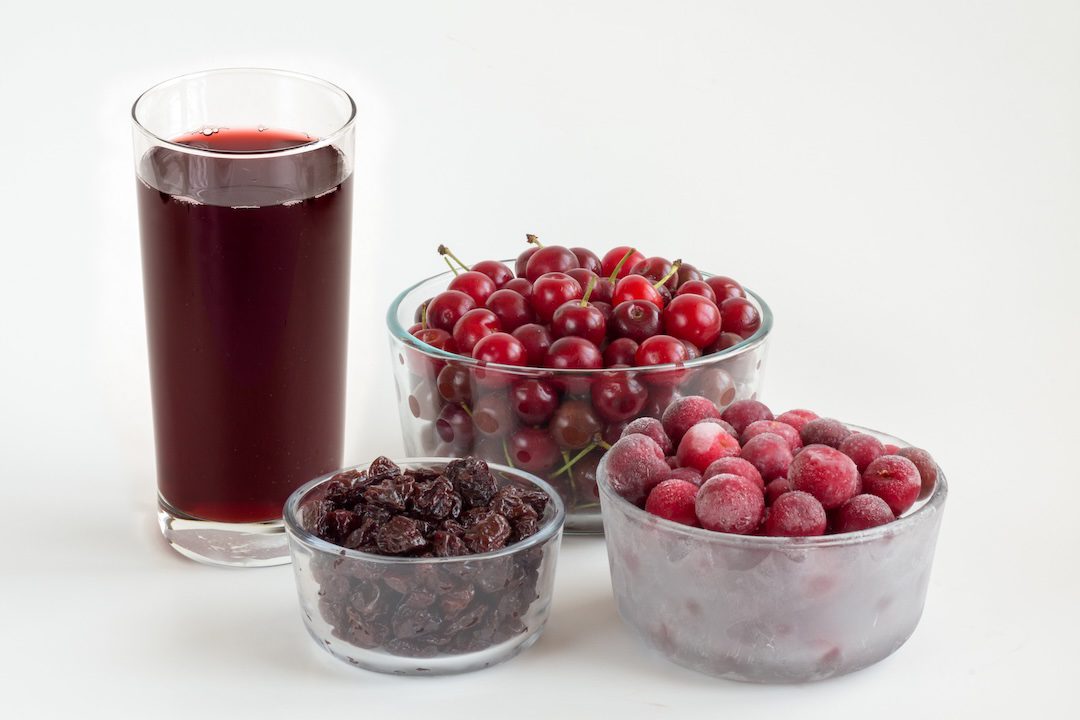
February, aka National Cherry Month, became the launchpad for a new effort designed to protect the identity, differentiation and long-term profitability of U.S.-grown Montmorency tart cherries.
According to a press release from the Cherry Industry Administrative Board (CIAB), industry leaders have officially launched the True Tart certification mark.
In this Q&A, Amy Cohn, president, CIAB, explains why the campaign matters, how the label separates domestic fruit from imports and what success looks like for tart cherry growers in the years ahead.
Fruit Growers News (FGN): How will the certification mark help differentiate U.S. fruit from imports?
Amy Cohn: Imports now make up a meaningful share of supply, so products labeled “tart cherry” can vary widely in origin. True Tart provides a clear, visible signal that a product contains authentic, U.S.-grown Montmorency tart cherries that meet our industry standards. That transparency helps buyers and consumers clearly distinguish from imported or non-Montmorency products.
It also aligns the marketplace with science. Many popular health studies reference Montmorency tart cherries specifically, so shoppers looking for those benefits should feel confident the product matches that research. Differentiation builds trust. Trust builds demand. And demand supports grower returns.

Beyond packaging, what do you think will drive new demand?
Cohn: The certification mark is only one piece of the strategy. We’re also focused on consumer education, partnerships with registered dietitians, sustained media outreach, national marketing campaigns and continued research. Education is especially important because many shoppers still think all cherries are the same. They may not distinguish between sweet cherries in the produce aisle and Montmorency tart cherries used in juice, dried products and recovery applications.
When consumers understand the difference, they can make more intentional purchasing decisions. That’s what creates demand for growers.
FGN: A third-party review showed nearly a $3 return for every $1 invested in promotion. What do you think that means to growers?
Cohn: That nearly 3:1 return gives growers proof that coordinated promotion works. In an industry with tight margins and global competition, validation is critical because it builds confidence that assessment dollars collected from growers are delivering added value. Most importantly, it reinforces that demand-building can’t be cyclical. Production may fluctuate year to year, but consumer-facing marketing must stay steady and disciplined to maintain price integrity and profitability.
FGN: What does success look like over the next three to five years for cherry growers?
Cohn: Success starts with long-term profitability for growers. Everything we do has to support stronger returns at the farm gate. We also want a clearer market identity. We feel that U.S.-grown Montmorency tart cherries should occupy a defined, protected space with recognizable origin and consistent messaging, so “tart cherry” immediately means something specific to buyers and consumers.
Finally, success means category leadership. Tart cherries shouldn’t be viewed as just another ingredient, but as a distinct, science-backed category trusted by consumers and valued by customers. When identity is clear and promotion is consistent, demand becomes more resilient — and that stability benefits growers most of all.
True Tart certification at a glance
What it is: A certification mark identifying products made with authentic U.S.-grown Montmorency tart cherries.
Why it matters: Creates clear differentiation from imported or non-Montmorency products and protects the value of domestic fruit.
What it signals to buyers: Verified origin, defined inclusion standards and alignment with Montmorency-specific research.
Part of a bigger strategy: Consumer education, dietitian partnerships, national marketing and ongoing scientific research.
The goal: Stronger demand, clearer category identity and improved long-term profitability for U.S. tart cherry growers.