

New rabbiteye blueberry targets high yields, improved fruit quality
A new blueberry variety reports strong yields and improved fruit quality. See how OBG-Raptor may fit your operation.





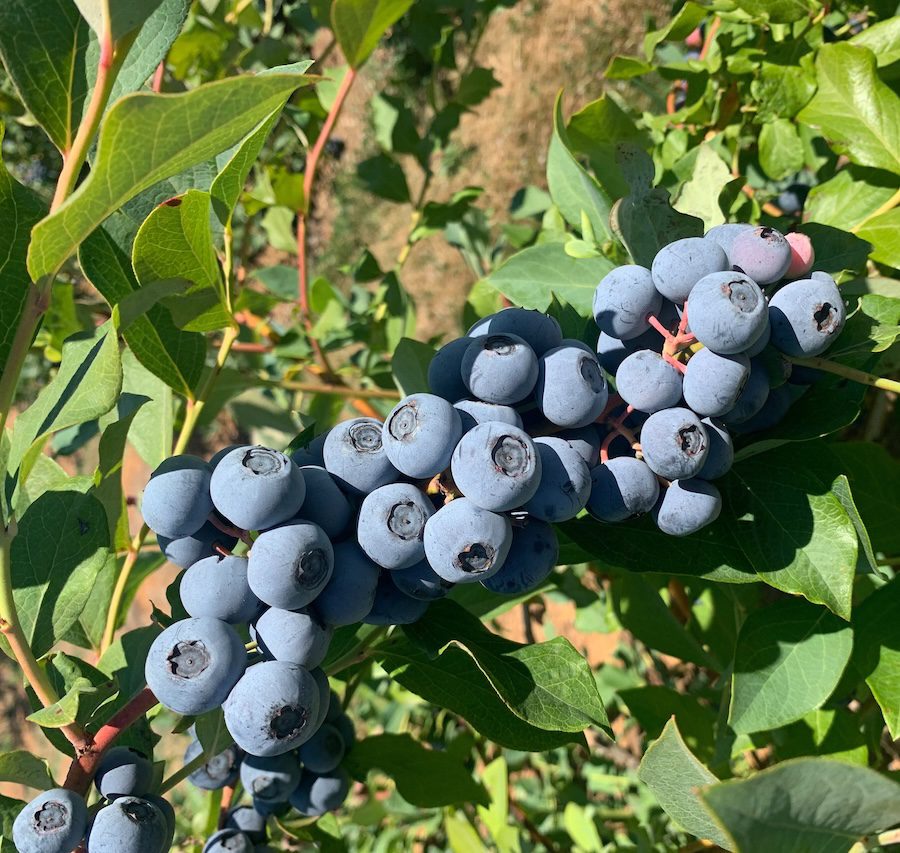
A new “rabbiteye” blueberry variety bred by Oregon Blueberry is being released to help fruit growers address long-standing concerns about finished produce quality in the species while maintaining vigor and resilience.
The variety, OBG-Raptor (OBG-16252), was developed to improve varietal issues that have historically limited wider adoption of rabbiteye blueberries in fresh markets, including soft fruit, gritty seeds and rain splitting, according to a press release from Oregon Blueberry.
“Those criticisms were fair for older varieties,” said Jon Horton, director of genetics, Oregon Blueberry. “But they also caused growers to overlook what rabbiteyes do exceptionally well.”
Field performance
The variety has been evaluated in long-term trials in Oregon under commercial production conditions. According to the company, seven-year-old plants have produced up to 35 pounds of fruit per plant, equivalent to roughly 64,200 pounds per acre, assuming a planting density of about 1,820 plants per acre.
Plants have also shown resilience to rain splitting under Oregon growing conditions.
Plant structure was selected to simplify canopy management and pruning. The variety’s growth habit allows growers to remove larger sections of wood with fewer pruning cuts, potentially reducing labor and time requirements.
Fruit characteristics
Breeders selected the variety with fresh-market fruit quality in mind. Berries average about 0.7 inches in diameter and are described as firm and uniform. The variety also has a relatively low seed count, a trait intended to reduce the gritty texture sometimes associated with rabbiteye blueberries.
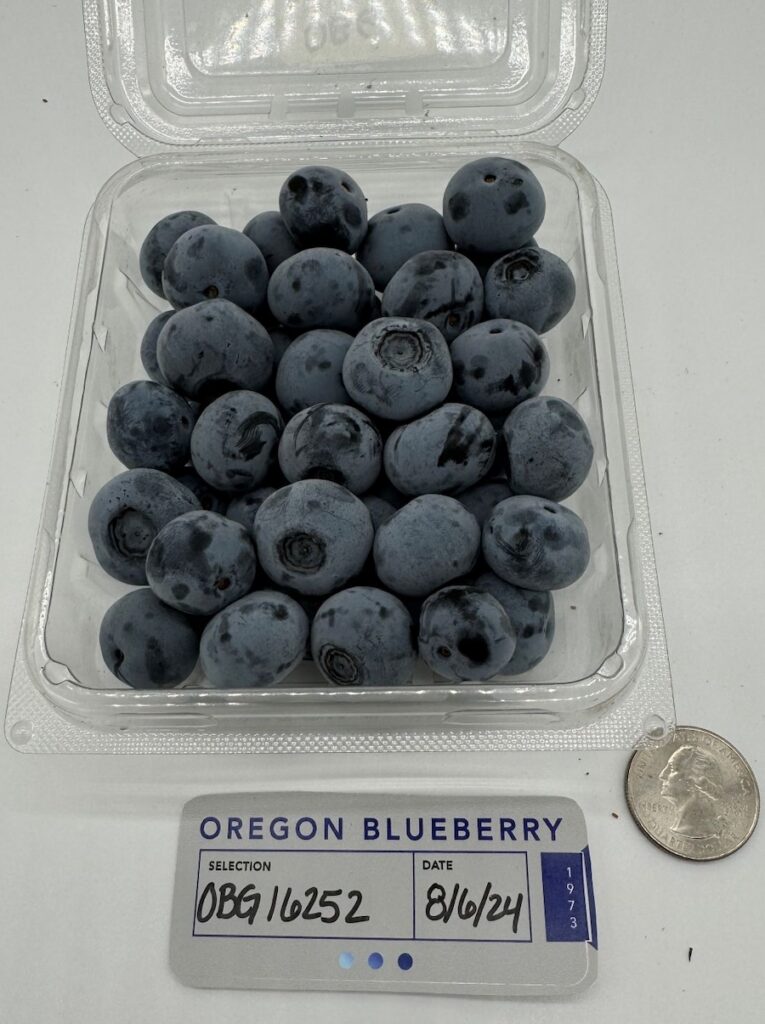
Early retail previews and taste tests conducted by the company indicated positive feedback on firmness, appearance and overall eating quality.
Harvest typically occurs about two weeks later than rabbiteye variety ‘Titan’. Fruit maturity is concentrated into one to two picking windows, a trait that helps with harvest scheduling and labor management.
The variety is also suitable for machine harvest and has shown consistent postharvest performance, making it adaptable for both fresh and processed markets.
Reconsidering rabbiteyes
Rabbiteye blueberries are known for plant vigor, relatively low input requirements and tolerance to heat and drought compared with highbush varieties. However, concerns about fruit quality have limited their use in some fresh-market programs.
According to Oregon Blueberry, growers in several regions have begun planting trial blocks of OBG-Raptor to evaluate whether the variety can combine the species’ agronomic advantages with improved fruit quality.
The company said its breeding program focuses on balancing fruit quality traits for consumers with production characteristics such as yield, plant efficiency and cost of production.