

USDA outlook highlights early harvests, smaller cherry crops and grape acreage fade





Warm weather out west, spring freezes and shifting markets are reportedly shaping the 2026 fruit season, according to USDA’s latest Fruit and Tree Nuts Outlook.
The July 23 report highlights several trends that fruit growers should have on their radars as harvest either continues or kicks off on farms and orchards across the country.
Here are five takeaways for specialty crop growers:
1. Early California harvests shift market timing
According to USDA data, warmer-than-average spring temperatures accelerated crop development across California, leading to earlier harvests for cherries, peaches, table grapes, strawberries and watermelons.
California sweet cherry production is forecast to increase 24% from last year after a short 2025 crop, but peach production in the Golden State is expected to drop by 3%. Clingstone peaches face a much steeper 20% decline because of shrinking acreage that’s at least partly a result of reduced processing demand after Del Monte brands shuttered a Central Valley processing plant after filing for bankruptcy.
2. Freeze damage continues to reduce yields in several regions
Spring freezes remain one of the year’s biggest production stories, and our recent trip to New York’s Hudson Valley with the IFTA Summer Tour showed that growers in the area are still dealing with diminished harvests as a result of the April 21 freeze.
USDA forecasts U.S. sweet cherry production to decline 17% overall from 2025, with Washington, Oregon and Michigan all expecting smaller crops. Tart cherries were hit even harder, with national production down 36% to the smallest crop since 2012 after freeze damage in Michigan and Utah. Florida strawberries and blueberries also experienced significant freeze-related losses.
3. California grape industry comes up short
The report points to short yields in California’s grape sector, too.
Wine grape acreage fell 7% in 2025 to its lowest level since 2010, while table grape acreage dropped for a fifth consecutive year. Meanwhile, California’s 2025 grape crush totaled just 2.76 million tons — the lowest since 1994 — reflecting continued reductions in wine production and vineyard acreage.
4. Blueberry season shows mixed regional performance
Blueberry growers are seeing widely different conditions depending on location.
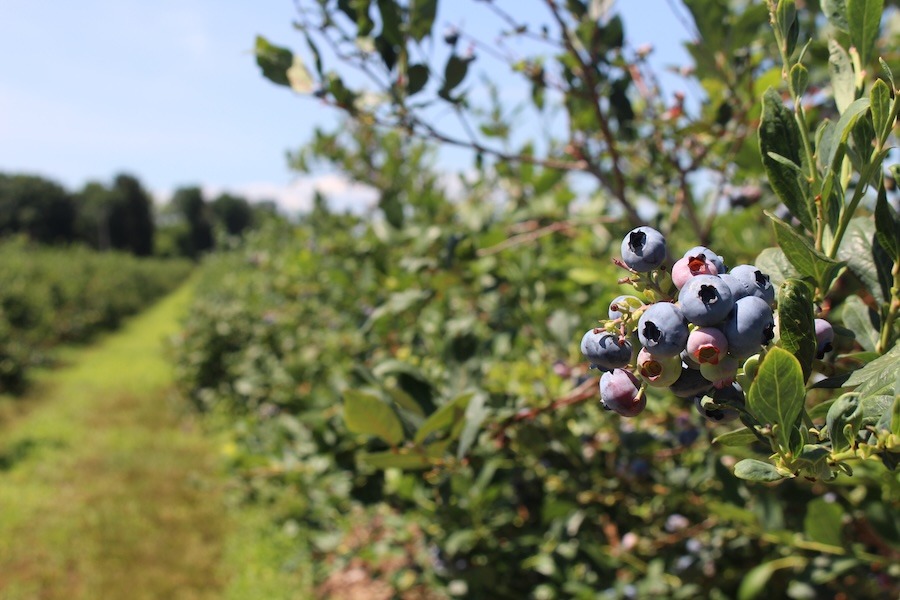
Florida shipments fell sharply after winter freeze damage, while Georgia shipments increased about 19% thanks to drier weather that reduced disease and pest pressure. Washington growers reported an early start with generally good fruit quality, although Oregon producers are contending with spotted wing drosophila pressure and faster fruit ripening due to warm conditions.
5. Almond acreage declines for the first time in decades
California almond growers are expected to harvest a similar size crop compared to the past two seasons, but USDA projects bearing acreage will decline for the first time in roughly 30 years.
This year’s harvest is forecast at 2.7 billion pounds, with lower acreage and below-average yields reflecting weather challenges and pressure from high labor and input costs. On the bright side, export demand has improved during the current marketing year, helping support prices.