

Big apple: Large 2025-26 apple crop forecast
A large 2025-2026 apple crop is being forecast. Read about production in the major apple growing states.


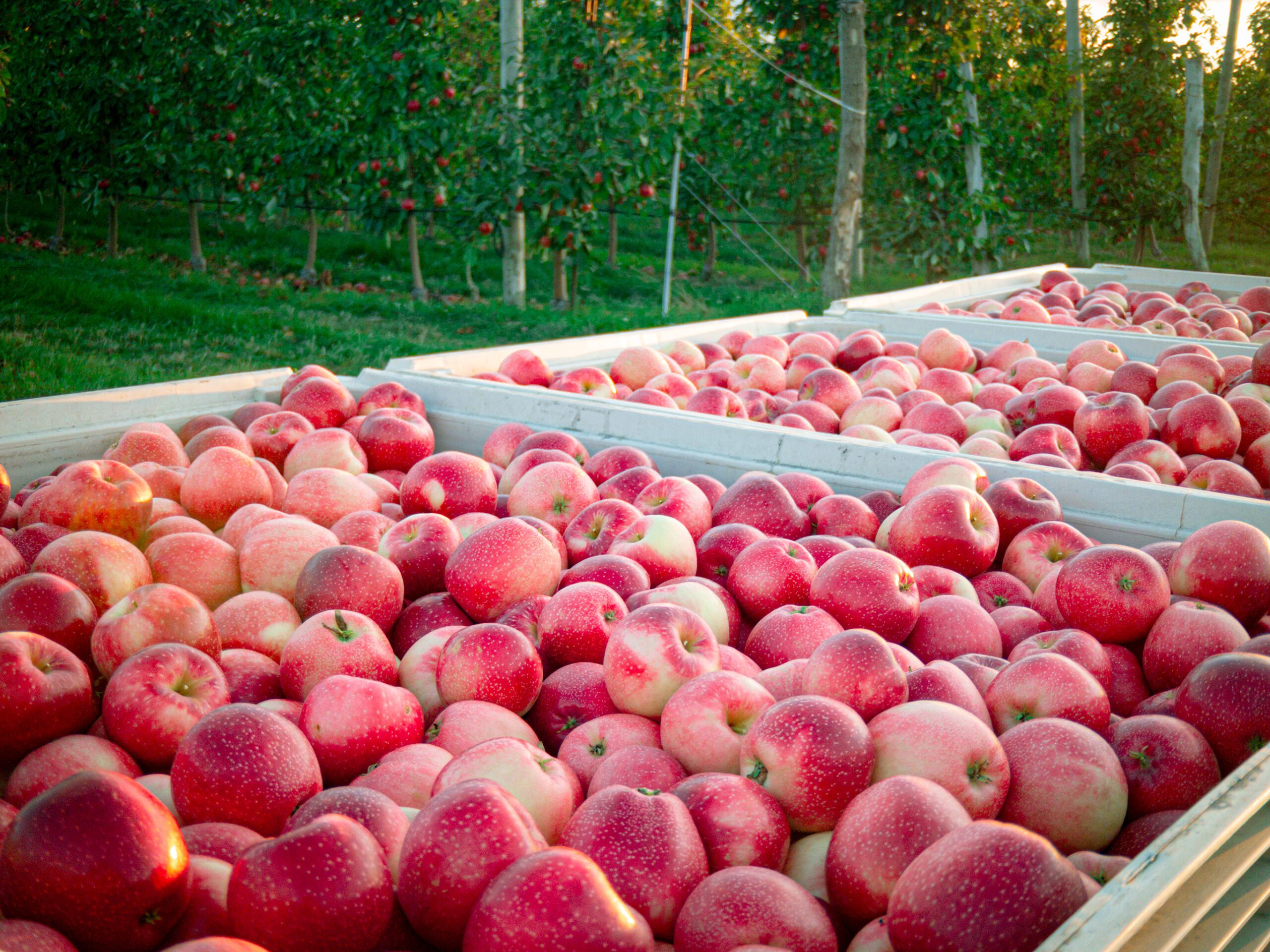
The U.S. Apple Association U.S. Apple Association forecasts the overall 2025-2026 U.S. crop at 278.5 million 42-pound bushel boxes, up slightly from the previous season’s 260 million and 3.6% higher than the five-year production average.
USApple’s report, released Aug. 15, differs from the USDA estimate, which forecasts 290 million, up 6% from the previous season.


The USApple estimates are shaped by growers who participated in the organization’s 130th annual Outlook Conference in Chicago. The report is marketed as the most up-to-date data and analysis of U.S. and global apple production, utilization and trade.
Despite a larger U.S. crop, growers are expressing optimism for the coming harvests.
“U.S. apple supplies will remain high this season, with available production remaining the same last season,” Gerlach said during his conference presentation. “Domestic demand is slowing, but international demand is showing signs of recovery from a decades-long decline. Supply-demand imbalances are leading to historically low grower prices, with often rapidly inflating costs of production, especially in labor.
Leading varieties, in order, are: Gala, Red Delicious, Honeycrisp, Granny Smith and Fuji. Over the last five years, Honeycrisp, Granny Smith, Cosmic Crisp and Pink Lady/Cripps Pink have increased production, while Red Delicious and Golden Delicious remained flat, with Gala, Fuji and Rome declining.

Washington
USApple forecasts Washington to harvest 180 million boxes, slightly higher than 2024-25 and up from the 167 million five-year average. Growers attribute the additional volume to favorable growing conditions.
The Washington State Tree Fruit Association (WSTFA) forecasts 142 million standard 40-pound fresh packed boxes, tied for a record and up from 124 million in 2024-25. The WSTFA number pegs the state’s fresh crop at 75.6%.
“We have continued to have hot and dry weather in central Washington apple production districts,” said Jon DeVaney, WSTFA president. “This has included extended periods of temperatures over 90 degrees, which can slow harvest and affect color and size development. This should be invisible to consumers, as because of the size of the crop, we expect this to mean more selective harvesting.”
Because growers will be focused on managing labor costs against marketable varieties, sizes and grades, Brianna Shales, Stemilt Growers’ communications manager, expects a lower final harvested number than the 142 million boxes.
“The growing conditions we’ve experienced in Washington lead to optimism about the quality of this crop, and it’s a welcome reprieve from more extreme growing conditions the past few years,” she said. “There is a good mix of varieties that make up the large crop estimate, which will likely come down from the record number by the time harvest ends.”
The state is estimating larger Honeycrisp numbers, welcome from last year’s tighter supply crop. Gala and Fuji are comparable in size to last year, which will align with demand. An increase in Granny Smith, Cosmic Crisp and organic varieties are also expected, Shales said. Stemilt grows organic Honeycrisps, Galas, Cosmic Crisps, Fujis, Pink Ladies and Granny Smiths.
“Discipline will be required to leave smaller fruit on the tree. Money will be tight to pick everything,” Gerlach said.
New York
USApple forecasts New York to harvest 30.5 million boxes, similar to 2024 and in range of the state’s 32.6 million average.
New York growers experienced a cold, wet spring and struggled with chemical thinners, while summer was hot and dry. The factors are expected to produce good volume, but sizings may be lower, said Gerlach.
New York’s harvest began in mid-August with early varieties including Paula Reds, Ginger Golds, Jonamacs, Zestar!s and Premier Honeycrisps, followed in September by Honeycrisps, Galas, McIntoshs, SnapDragons, Fujis, RubyFrosts and Evercrisps.
Though early forecasts were slightly higher, as the season has progressed the estimate settled at 30.5 million, said Cynthia Haskins, president and CEO for the New York Apple Association.
“Favorable spring conditions — ample rainfall, sunshine and warm temperatures — have set the stage for a strong crop across western New York (WNY), the Hudson Valley and the Lake Champlain region,” she said.
The Hudson Valley received favorable rainfall throughout the summer and irrigation supplemented when needed. The summer brought increased dry spells to WNY and the Champlain region, with the western region worse, said Chelsea Van Acker, New York Apple Sales’ food safety and grower relations manager.
“We are very optimistic about this season as we have great crop loads across the state in all growing regions,” she said. “Overall, crop quality looks very good. New York state chose to lower the estimate based on a smaller fruit size in WNY and the processing varieties being lower in fruit counts. We feel the fruit counts on fresh apple varieties are quite good.”

Michigan
For the Wolverine State, USApple forecasts 30 million, similar to last year but higher than the 26.5 million average.
A cold spring brought thinning issues and hail, but the hail events were less severe than 2023-24. Fruit was reported sizing well, with Honeycrisp and Gala volume likely up but Fujis down, Gerlach said.
“We have heard from some growers that they experienced drought, which could lead to slightly smaller fruit,” said Diane Smith, executive director of the Michigan Apple Committee. “Also, some farms experienced localized hail damage. But overall, growers and industry members are very optimistic about this year’s crop.”
Riveridge Produce Marketing eyes a favorable harvest.
“It has been a perfect harvest and by many accounts; we may have the best colored fruit ever on the ridge,” said Trish Taylor, marketing manager. “While the season overall could have used some rain earlier in the season, irrigation helped fill the gaps, and our harvest weather has been outstanding for quality and conditioning.”
Michigan is forecast to produce a crop consistent with last year, with growing conditions generally favoring healthy blooms and fruit sets, said Shelby Miller, Applewood Fresh Growers’ marketing and business development director.
“We’re feeling positive about this season,” she said. “The crop is consistent to last, and quality has been strong across many varieties. While there are always a few challenges like sizing or weather fluctuations, overall, it’s shaping up to be a really solid season for both growers and retailers.”

Pennsylvania
Pennsylvania growers are expected to harvest 10.5 million bushels, similar to last year but lower than the 11.6 million bushel average.
Fruit is clean and sizing well. A wet May could produce a larger crop. While Fujis and Honeycrisps are forecast as lower with more Galas, Red Delicious and processing varieties look to be variable, Gerlach said.
Sarah Zost, business manager of Bonnie Brae Fruit Farm, Gardners, Pennsylvania, and the 2026-27 State Horticulture Association of Pennsylvania president, said her Adams County farm escaped spring cold weather that harmed other growers, bringing more apples than last year’s small crop and returning the state to a normal crop.
“We all had some late return bloom from the drought last year,” she said. “Overall, it might work out to an average, maybe a slightly below-average crop.”
— Doug Ohlemeier, Assistant Editor