

CalFresh participants welcome texts on benefits of California-grown produce





The buzz or chirp of an incoming text message started some San Diego County, California, residents on the path to a healthier diet during this past year. In September 2020, most CalFresh participants in the county – more than 172,000 households – began receiving monthly text messages about the benefits of California-grown fruits and vegetables as part of a pilot program.
This novel approach to delivering nutrition messages to California food assistance program participants was developed by a partnership of the Nutrition Policy Institute of UC Agriculture and Natural Resources, the UC San Diego Center for Community Health and the County of San Diego Health and Human Services Agency, which administers CalFresh in the county.
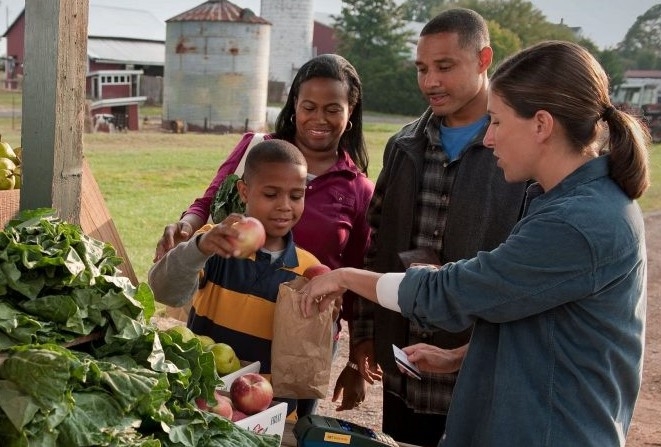
About 172,000 households participating in CalFresh in San Diego County have been receiving texts about the benefits of fresh fruits and vegetables. Photo from program website
The text messages – originally delivered in English and Spanish, with the addition of Arabic beginning in July 2021 – were friendly and conversational in tone.
“In a text, you have very few characters you’re communicating with people, so we wanted to make sure we were using cutting-edge behavioral science to construct those messages to have the most impact,” said Wendi Gosliner, NPI senior researcher and policy advisor.
Initially running from September 2020 to March 2021, the pilot program was well-received. Nearly 90% of CalFresh participants responding to a survey said they appreciated receiving the texts. “It is very important for us to eat healthy, to teach our children to eat healthy,” wrote one participant. “I love the recipes…they’re so delicious and easy to make…I’m very, very grateful for the help because without you guys, I would be struggling more and I just want a better life for my children.”
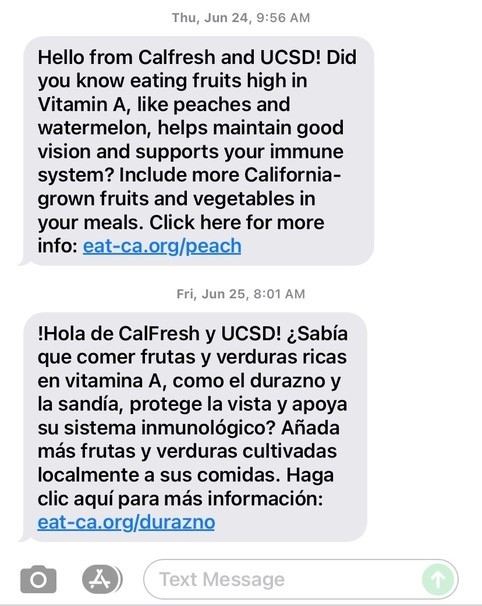
The texts, written in a friendly and conversational tone, were developed using the latest behavioral science. Image courtesy of the program
“What we see is that there’s definitely a decent-sized population of people participating in CalFresh –now this is just in San Diego County but imagine the entire state – who would benefit from having this kind of information available to them,” Gosliner said. “And there is at least a subset of people who really liked it.”
UC San Diego’s Center for Community Health was instrumental in facilitating the partnership between UC ANR and the HHSA. Further, CCH, in partnership with the San Diego County Childhood Obesity Initiative, formed a community council composed of residents representing diverse communities throughout San Diego County. Together, the council facilitated CalFresh participants to take part in focus groups, which provided feedback and guidance on the messaging and design for online resources. Gosliner said the success of the text program has been a direct result of community input and involvement.
“The Center for Community Health-led focus groups were integral to ensuring CalFresh resources were accessible and informative to a wide range of CalFresh participants, and local individuals and families more broadly,” said Blanca Meléndrez, executive director at the UC San Diego Center for Community and Population Health, Altman Clinical Translational Research Institute. “In the process, the text-based campaign also placed a greater focus on the local production of nutritious fruits and vegetables, ensuring access to healthy and nutritious food in all communities, and building new streams of income for the region’s farmers and producers.”
This effort also suggests a simple way to reach CalFresh participants and bridge gaps between the Supplemental Nutrition Assistance Program and programming that offers nutrition education and healthy eating resources.
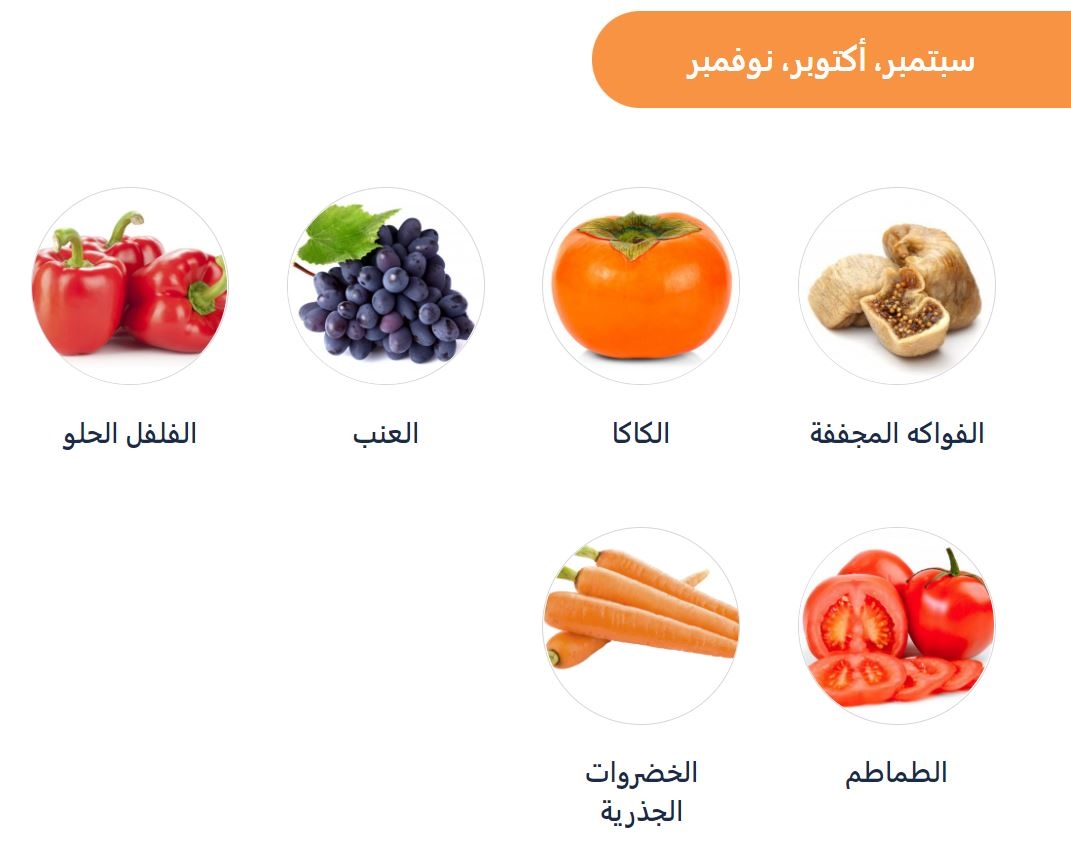
The texts, written in a friendly and conversational tone, were developed using the latest behavioral science. Image courtesy of the program
The effort has been so effective that HHSA has asked for additional messages, beyond the original five months’ worth of texts and resources.
“The partnership between UC ANR’s Nutrition Policy Institute, UC San Diego’s Center for Community Health, the County of San Diego Health and Human Services Agency and San Diego County community residents brought together a great team to develop an innovative, technology-based intervention,” said Shana Wright, San Diego County Childhood Obesity Initiative co-director at CCH. “Each partner provided knowledge, resources and assets that enhanced the project beyond the initial pilot phase, exceeding preliminary expectations.”
Gosliner said the pilot program has been a “great example and wonderful experience” of partnership in action.
“You can sit with your research or program ideas for a long time but if you don’t have people who can help you implement them, then they really aren’t helpful in any way,” she said. “In this case, it was just a nice combination of an idea…with partners who wanted to work to make something happen.”
– Mike Hsu, University of California