

Ag aviation group warns of rising drone safety risks
Learn how drone operators can stay safe and help keep agricultural aviators safe during the 2026 growing season.





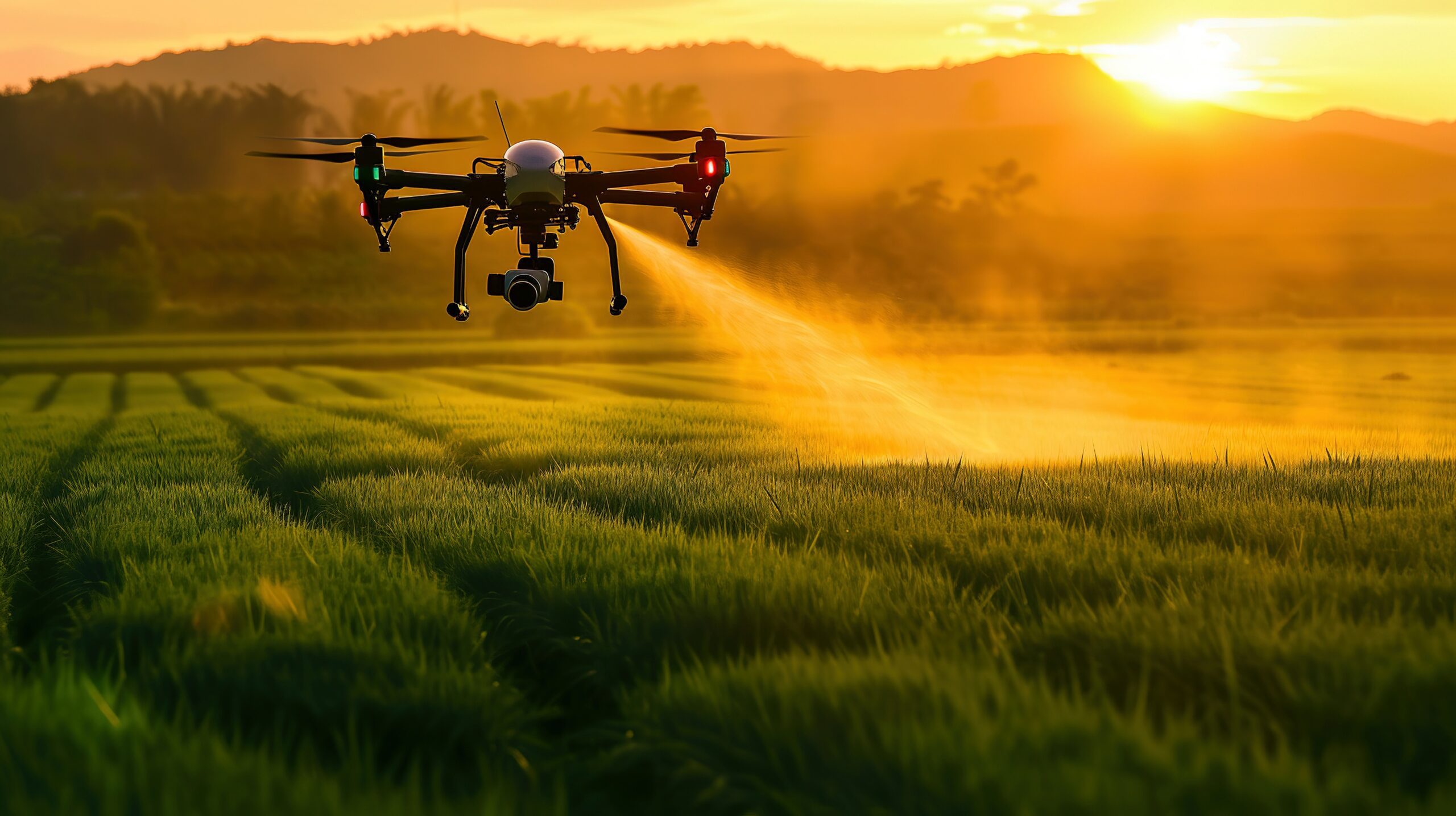
Key takeaways
- NAAA urges right-of-way compliance and better drone visibility tech
- Drone collisions may be more damaging than bird strikes
- Safe coordination is essential for agriculture, wildfire response and pest control
The National Agricultural Aviation Association (NAAA) is issuing its annual spring bulletin, urging all drone operators to remain aware of low-altitude crewed agricultural aircraft operations (aka crop dusters).
Agricultural aircraft — both manned and unmanned — treat 137 million acres of cropland in the U.S. each year, along with millions of acres of pastureland, rangeland and forestry.
“It is extremely difficult, if not impossible, for manned aircraft to see a drone while conducting aerial applications 10 feet off the ground at speeds of up to 140 mph,” said Andrew Moore, CEO, NAAA.
RELATED — Spray drones: best practices for specialty crop use
Rising safety concerns
A survey conducted by NAAA near the end of the 2025 agricultural aviation season reportedly found that 20% of manned aerial application operators reported an unsafe encounter with a drone. That compares to 16% in 2024 and 11% in 2023.
Drones are not allowed to operate above 400 feet without a waiver from the Federal Aviation Administration (FAA), meaning they share low-altitude airspace with agricultural aircraft.
Moore encouraged both professional and hobbyist drone operators to equip UAS with detect-and-avoid technology and to always give right-of-way to crewed agricultural aircraft.
Safety recommendations for drone operators
NAAA urges drone operators to take the following precautions:
- Give right-of-way to manned aircraft
- Equip drones with visible strobe lights, high-visibility markings and tracking technology such as ADS-B In systems
- Monitor aviation radio frequency 122.925 MHz for crewed agricultural aircraft
- Obtain proper FAA certification and training for UAS operation
- Contact local agricultural aviation operations before flying
- Land drones immediately when low-flying aircraft are nearby
- Carry liability insurance
To help reduce risk, NAAA also recommends that manned agricultural aviators circle application sites before entering, allowing drone operators time to identify the aircraft and land.
Collision risks and research
Research shows that small drones can be difficult to detect and may pose serious risks to agricultural aviators, air ambulance helicopters, law enforcement and other low-flying aircraft.
A study conducted by the Alliance for System Safety of UAS through Research Excellence (ASSURE) found that drone collisions can cause more damage than bird strikes of similar size due to dense components such as motors and batteries.
Broader Impact on Agriculture and Public Safety
Agricultural aviators play a key role in ensuring the nation’s food, fiber and bioenergy supply. In addition to crop applications, these aircraft are used for wildfire suppression and mosquito and pest control.
NAAA emphasized that safe airspace practices are critical as both drone and manned aircraft operations continue to expand.
The FAA also highlights drone safety awareness during its annual Drone Safety Day, held April 25.
FAQ
Why must drones give right-of-way to manned aircraft?
It is required by aviation law and critical for preventing collisions in shared low-altitude airspace.
Why are drones hard for pilots to see?
They are small and often invisible during low-altitude, high-speed agricultural operations.
What altitude do drones typically operate at?
Below 400 feet unless they have an FAA waiver.
What percentage of pilots reported drone incidents?
20% in 2025, according to NAAA.
How can drone operators improve safety?
By using visibility tools, monitoring radio frequencies and landing when aircraft are nearby.