

Penn State: soil microbiome effects extend deep in vineyards deploying groundcover between rows





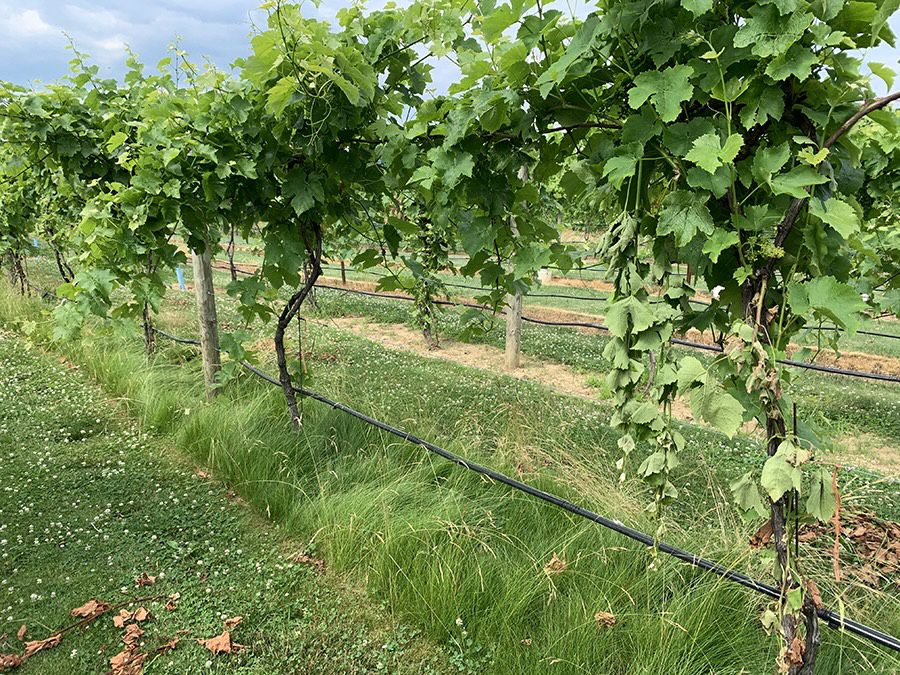
A vineyard management practice commonly used to reduce herbicide inputs—maintaining groundcover beneath vines—may also influence soil microbial communities well below the surface, according to research from Penn State.
Groundcovers such as grasses are often planted between vineyard rows and, in some cases, directly under vines. While their surface-level benefits—such as erosion control and weed suppression—are established, researchers examined whether these plants affect soil biology deeper in the profile.
The study evaluated soils from a research vineyard where groundcover had been established for several years. Samples were collected at multiple depths, extending to about one meter below the surface, and analyzed for bacterial and fungal communities.
Results indicated that the presence of groundcover was associated with changes in soil microbial composition not only near the surface but also at deeper layers. Differences were most pronounced in shallower soils, though measurable shifts were also detected further down the soil profile.
The findings suggest that vegetation management in vineyards can influence belowground biological processes beyond the immediate root zone. Soil microorganisms play a role in nutrient cycling, soil structure, and plant health, and shifts in microbial communities may have implications for long-term soil function.
Researchers noted that while overall microbial diversity did not consistently increase with groundcover, the composition of microbial communities changed, including shifts toward taxa associated with plant roots.
The study highlights the potential for vineyard floor management practices to affect soil ecosystems at multiple depths, though further research is needed to determine how these changes translate to crop performance and soil health outcomes.