

UF/IFAS breeding research aims to cut $130M loss from strawberry runners
Researchers are looking at selective breeding as a fix for a major production issue in strawberry crops. Learn about the research project.





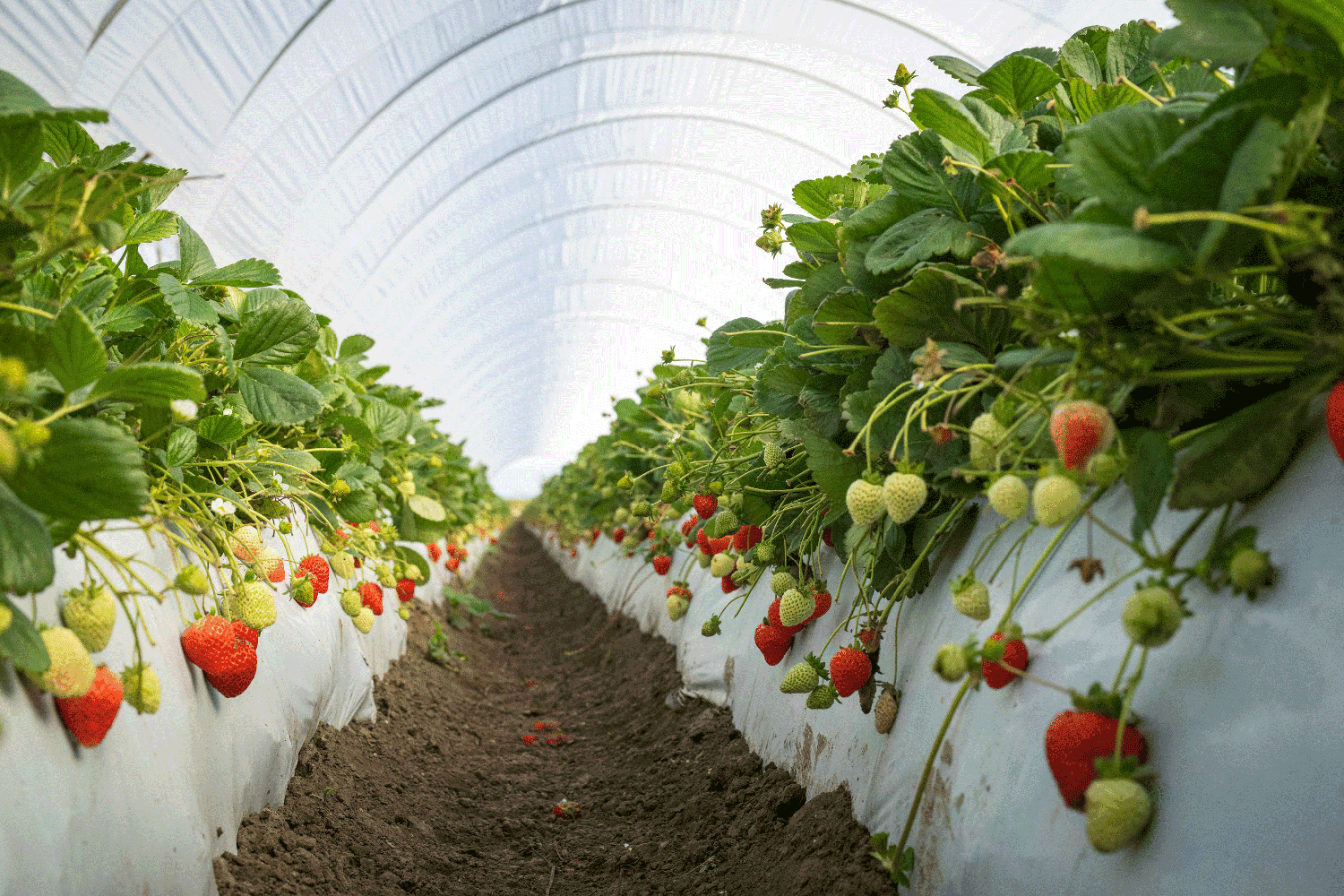
Strawberry farmers pour roughly $130 million a year, nationally, into a surprisingly stubborn problem: a part of the plant that sabotages fruit production, writes Brad Buck with University of Florida-IFAS.
The stubborn problem are fast-growing offshoots – called “runners” – that stretch out from the mother plant like botanical escape artists, siphoning energy that would otherwise go into plump, market-ready berries.
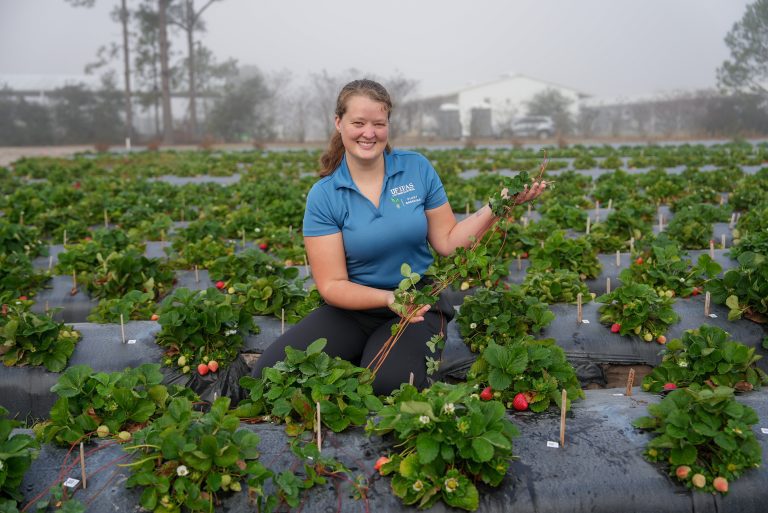
University of Florida doctoral student Kaitlyn Vondracek wants to help farmers solve this costly problem. She’s digging deep into the genetics behind runner formation, hoping to dial down the plant’s impulse to sprawl.
In nurseries, runners are a blessing. Each one produces so-called “daughter plants,” which often represent the next generation of transplants that farmers rely on. But once those transplants are out in the field, the story flips. Instead of boosting production, runners create new plants that drain resources and drag down berry yields.
“Growers have found that removing runners from plants in the field improves both the quality and yield of the fruits,” Vondracek said. “As such, it’s become a standard process for growers to trim runners from fruit-producing plants.”