

USDA eyes new sweet cherry size, Mexican strawberry industry calls for calm amid ongoing ITC probe
A proposed rule would raise sweet cherry size standards while a separate ITC probe targets Mexican strawberry imports — here’s what you need to know.





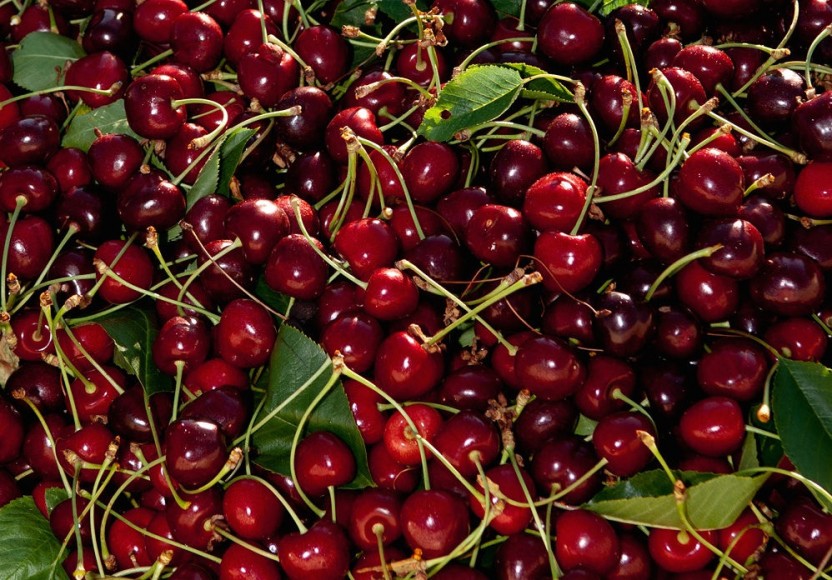
In addition, the proposal would remove one row count/row size designation, add two new row count/row size designations, and revise the title of the marketing order’s pack requirements table.
The Washington Sweet Cherry Marketing Committee unanimously requested these changes following a meeting in August 2025. The organization believes making these changes will help increase sweet cherry market returns for growers and help improve access to crop insurance for cherry farmers in Washington.
Light sweet cherry varieties would be exempt from the rule change, according to the proposal posted at FederalRegister.gov.
This change would apply to sweet cherries grown across eastern Washington, specifically in the counties of Okanogan, Chelan, Kittitas, Yakima and Klickitat.
The government will take comments on the proposed rule changes until April 8, 2026. Any comments submitted will be included in the record and will be made public. You can comment on the rule-making here.
Mexican strawberry industry leaders call for calm amid ITC probe

Currently, the investigation is in the information gathering phase as U.S. investigators examine the financial documents of two Mexican strawberry exporters after a preliminary hearing in February found cause to continue with the investigation.
In January 2026, a coalition of 10 Florida-based strawberry growers requested an investigation into the alleged “dumping” of fresh and refrigerated strawberry imports onto the U.S. market during the winter season. Winter strawberry production in the U.S. is mostly confined to the state of Florida and growers there complained that the imports drove down prices on domestically-produced berries.
You can review the full statement, written in Spanish, from Aneberries via its Linkedin page here.