

Inside CMI Orchards’ climate-positive tree fruit production strategy
Learn how CMI Orchards blends family farming, advanced technology and regenerative agriculture to deliver high-quality fruit while reducing environmental impact.





Key takeaways
- CMI Orchards operates as a vertically integrated grower-packer-shipper across the Pacific Northwest
- The company combines multi-generational family ownership with global distribution capabilities
- Technology, AI and automation are improving orchard management and packing efficiency
- Proprietary apple varieties are a major driver of growth and market differentiation
- Regenerative agriculture practices are central to long-term sustainability goals
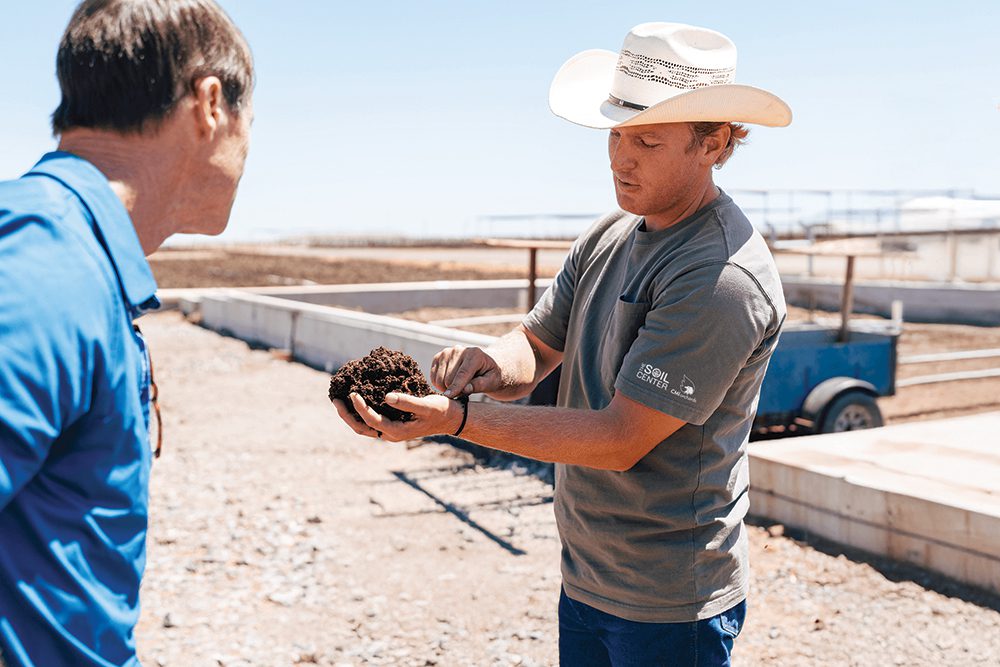
- The Soil Center processes over 100,000 tons of organic material annually
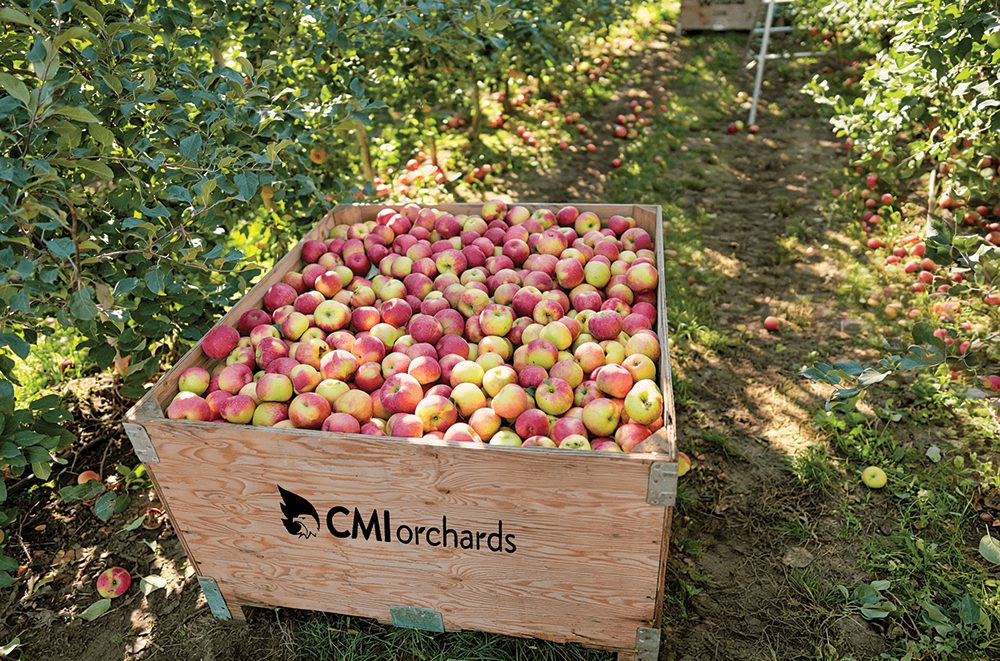
CMI Orchards was founded in 1989 by Washington farmers Bob McDougall, Jim Wade, Glady Bellamy and Nick Buak. It has grown from a collaborative marketing effort into one of the world’s largest suppliers of apples, pears and cherries, all while maintaining its family-owned structure and deep connection to the land.
“These growers recognized that by working collaboratively, they could combine generations of growing, packing, and sales and marketing expertise,” said Rochell Bohm, vice president of the Wenatchee, Washington-based company. “Their goal was to create a one-stop, vertically integrated Northwest tree fruit organization, capable ofn delivering premium fruit, innovative varieties and consistent supply to customers worldwide.”
Today, that vision continues through the ownership of four multi-generational Washington farming families — the McDougall, Wade, Allred and Wilcox families — whose operations include McDougall & Sons, Columbia Fruit Packers, Yakima Fruit and Double Diamond Fruit. Together, they represent some of the most advanced tree fruit growing and packing operations in North America.
“These families own and operate orchards and packing facilities across Washington and the Pacific Northwest, forming a fully integrated farm-to-market supply system that allows CMI to control quality, innovation and supply from the orchard through global distribution,” Bohm said.
Over the past three decades, CMI has evolved into a diversified grower- packer-shipper serving customers around the globe. Its orchards stretch from the Canadian border to southern Oregon, spanning a wide range of microclimates and growing conditions.
“This geographic diversity allows CMI to offer a broad portfolio of varieties while maintaining consistent supply and quality throughout the season,” Bohm said.
Expansion has also included new packing facilities and investments in infrastructure to support increased production and distribution. Today, the company markets fruit both domestically and internationally while continuing to expand acreage and varietal offerings.
Innovation in orchards and packing
Technology and data play an increasingly central role in how CMI growers manage orchards and deliver high quality fruit.
“In the orchards, fogging systems and drip irrigation systems allow growers to keep the fruit from getting stressed by the sun and deliver water and nutrients directly to the root zone of each tree,” Bohm said.
Drone surveillance is also used to monitor orchard conditions and tree health, allowing growers to identify potential issues early and respond quickly.
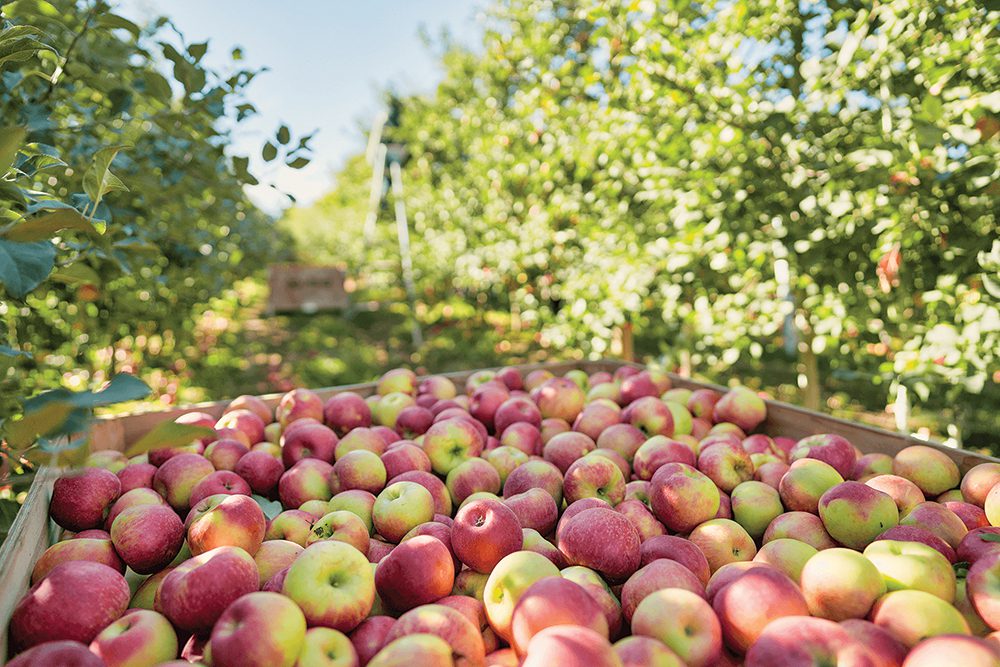
Artificial intelligence is making its way into both orchards and packing lines. AI-enabled systems support more precise picking and sorting, while advanced optical grading equipment analyzes each piece of fruit for size, color and quality attributes.
“These innovations allow CMI to operate with greater precision and accuracy from orchard to shipment,” Bohm said.
Automation and data analytics also improve efficiency in the warehouse. High-speed imaging systems capture multiple images of each piece of fruit per second, helping facilities route apples, pears and cherries to the appropriate pack style or destination market.
In the orchard, modern trellis systems are helping growers maximize productivity. V-trellis structures improve light distribution across the canopy, support higher tree density and improve harvest efficiency.
“Many facilities also use robotic palletizing systems, which automate a task that is physically demanding and potentially hazardous for workers,” Bohm said. “Automation helps reduce handling damage and maintain fruit quality throughout the packing process.”
Varietal development drives growth
Technology and innovation also play a role in varietal development.
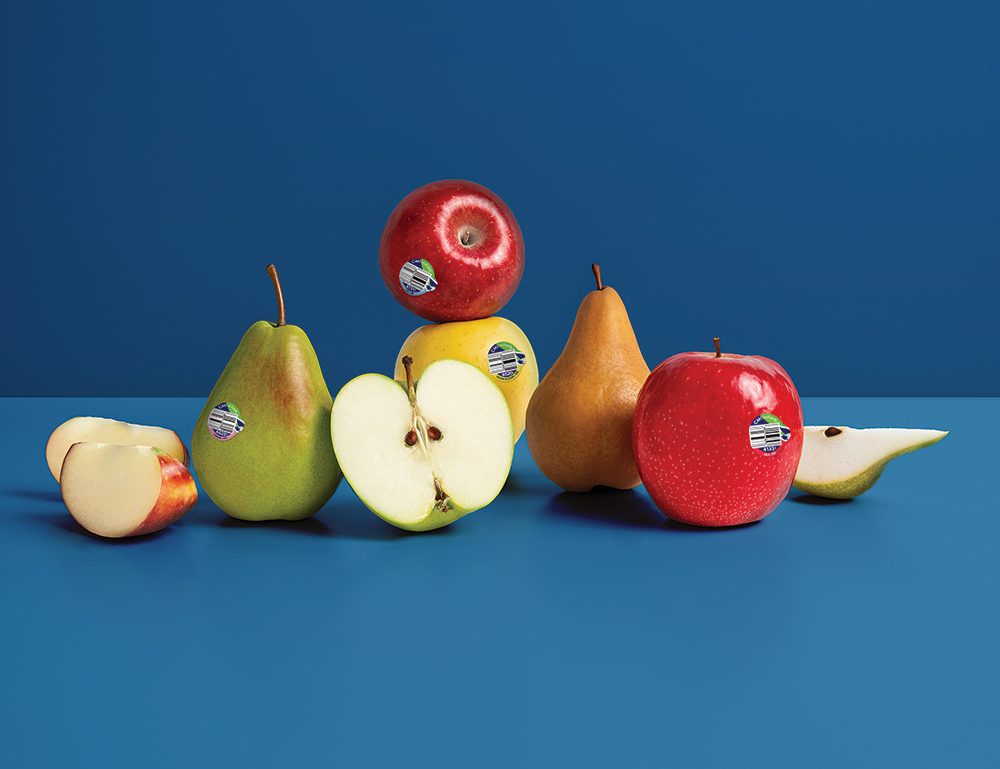
While traditional varieties such as Gala, Fuji, Granny Smith and Red Delicious remain core offerings, CMI has invested heavily in newer and proprietary varieties. Honeycrisp continues to be one of the most influential apples in the market, but newer varieties such as Envy, Kanzi, Cosmic Crisp and SugarBee are increasingly gaining strong consumer followings.
The company is also diversifying offerings in pears and cherries, with varieties such as Gem pears and specialty cherries like Skylar Rae and Strawberry providing distinctive flavor profiles.
“We recognize that consumer preferences are not all the same, and maintaining a diverse portfolio is key to serving a wide range of tastes, retail strategies and global markets,” Bohm said.
Regenerative agriculture takes center stage
Sustainability and regenerative agriculture are increasingly central to CMI’s strategy and identity.
“Sustainability is rooted in a simple philosophy: Every piece of fruit we grow should give more back to the land than it takes and should do more good than harm,” Bohm said.
CMI growers have practiced regenerative methods for generations, including cover cropping, mulching, reduced tillage and careful resource management. These practices were originally adopted simply as good farming, but they now form the foundation of a broader regenerative strategy.
To expand those efforts, the company partnered with Royal Family Farming to establish The Soil Center, a facility that converts agricultural byproducts into soil amendments that improve soil health and sequester carbon.
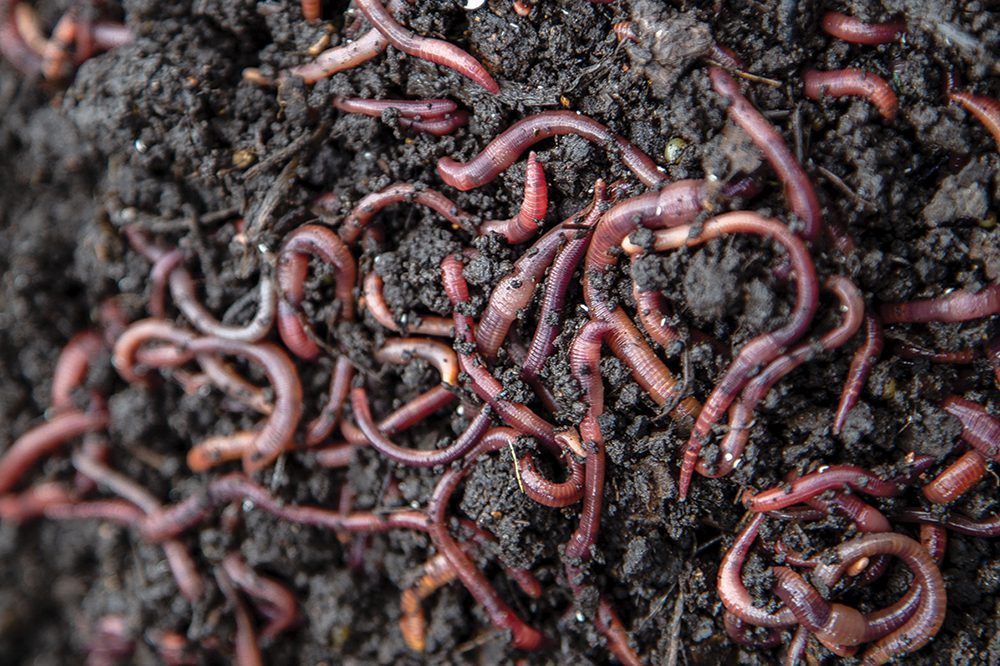
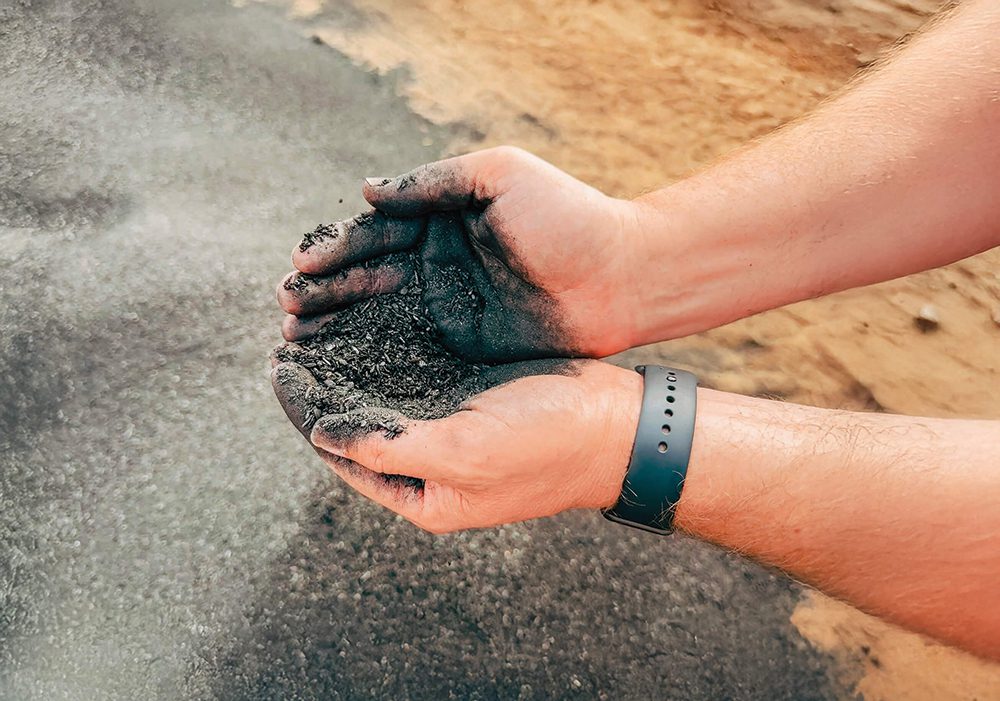
The facility upcycles orchard wood waste, culled fruit and other organic materials through composting, vermicomposting and biochar production.
The Soil Center processes more than 100,000 tons of organic matter annually, including nutrient-rich worm castings produced across 14 acres of worm farms owned and operated by Royal Family Farming. In addition, the facility runs large-scale composting operations and biochar reactors that generate thousands of tons of soil- enhancing materials each year.
These products are returned to orchards to improve soil health and reduce reliance on synthetic fertilizers, creating a closed-loop system.
“The Soil Center plays a central role in helping CMI achieve its sustainability and regenerative agriculture goals while delivering tangible day-to-day benefits for growers,” Bohm said.
#ICYMI – Last month’s FGN cover story – Balakian Farms
The company’s broader regenerative strategy is guided by CMI SOARS (Sustainable Orchards and Regenerative Solutions) a platform designed to scale regenerative practices across its network. SOARS includes ambitious goals such as eliminating orchard wood burning, increasing soil biodiversity and sequestering 2 million metric tons of carbon dioxide equivalent by 2030.
Through its regenerative initiatives and carbon crediting projects, CMI is also quantifying the environmental impact of its practices. Between 2022 and 2025, The Soil Center project generated more than 900,000 carbon credits by storing carbon in soil, earning global recognition.
CMI received two honors at the 2026 SEAL Sustainability Awards — one for Sustainability Innovation for its Planet Positive program and another for Sustainable Products for its carbon-negative apples, pears and cherries.
“We are deeply honored to receive the SEAL Sustainable Innovation Award in recognition of our Planet Positive program,” said Bob Mast, president of CMI Orchards. “The core values of our Planet Positive philosophy guide us forward as we work to regenerate the land and advance sustainability in the fresh produce industry.”
For CMI growers, the awards represent years of investment in soil health and regenerative agriculture.
The Future Looks Bright
Looking ahead, the company believes regenerative agriculture will play a central role in the future of farming.
By restoring soil health, reducing emissions and strengthening rural communities, CMI aims to demonstrate that large-scale commercial agriculture can also be climate-positive.
“Ultimately, Planet Positive and our carbon-negative fruit initiatives represent more than a marketing claim,” Mast said. “They reflect a broader shift toward climate-positive agriculture that regenerates soil, reduces emissions and strengthens the future of farming.”
FAQ
What is CMI Orchards?
CMI Orchards is a Washington-based grower-owned company that supplies apples, pears and cherries globally.
When was CMI Orchards founded?
The company was founded in 1989 by a group of Washington state farmers.
What makes CMI Orchards unique?
Its vertically integrated structure and family ownership allow control over quality from orchard to distribution.
What sustainability practices does CMI use?
CMI uses regenerative agriculture practices such as cover cropping, composting and biochar production.
What is The Soil Center?
It is a facility that converts agricultural byproducts into soil amendments to improve soil health and reduce waste.
A graduate of the University of Miami, Keith Loria is an award-winning journalist who has been writing for almost 20 years. View his recent writing at keithloria.contently.com.