

Farm Market & Agritourism: Best practices for a successful season
There are best practices for successful farm market seasons. Learn how farmers markets can incorporate best practices, including signage, clean displays and storytelling to boost sales.





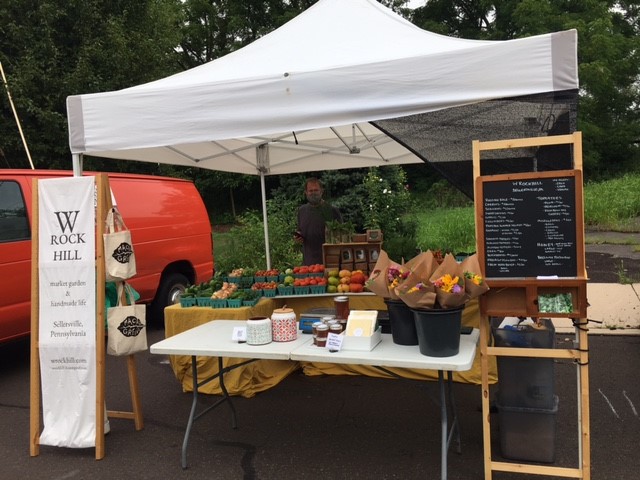
Winter is often the season for planning crops, but it is also the right time to plan how to sell them. Customers want to buy from vendors whose products appear clean, high quality, clearly priced and attractively displayed. By evaluating how you plan to present and sell your products, you can significantly increase your market-day bottom line.
Signage matters

Brian Moyer
Penn State Extension farm market specialist Brian Moyer recommends that vendors keep displays professional and signage consistent. Clean, colorful signs help customers quickly identify products and prices.
“Customers do not want to have to ask you the price of your produce,” Moyer said. “They are already trying to step outside their shopping routine to come to the market and purchase something. Don’t make them work any harder than they have to.”
- Clear handwriting
- Prices
- Name of the item(s)
- Unique traits such as heirloom variety, flavor, or spice level
Canopy and booth setup

Penn State Extension farm market specialist Brian Moyer recommends farm market vendors keep their displays clean and professional looking.
Moyer recommends investing in a good-quality canopy. “A clean canopy looks professional. It is your store,” he said. The canopy also protects products from heat and helps maintain quality.
Displays should never place food on the ground. “No one wishes to purchase food that sits on the ground, even if it is in lugs or boxes,” Moyer said. Products should be elevated between knee- and should-height.
Tell your story
Another farmers market vendor best practice is connecting with customers by telling your farm’s story. More and more consumers want to know the people behind their food. Vendors can use framed photos of the farm, brochures, logos on signage, or even articles written about their farm to build trust and relationships with buyers.“One of the attractions at a farmers market is you, the farmer,” Moyer said.
Don’t forget permits!
Finally, ensure you have all necessary permits before the market season begins. Depending on your products, you may need local, county, or state health department approval.“Waiting until the last minute may delay your ability to go to market if you have to wait for your permit,” Moyer warned. “You will also miss a lot of sales.”
Be prepared for market success
In his diary, my great-grandfather often wrote “Prepared for market” on Fridays before his Saturday sales. That same preparation holds true today. By following farmers market vendor best practices — from signage to storytelling — you can ensure your time “in market” is both profitable and rewarding.— Brian Moyer is an educational program associate with Penn State Extension. As founder of PA Farm Markets LLC and founder and manager of the Skippack Farmers Market, Moyer specializes in assisting farmers markets, retail farm markets, direct-to-consumer sales, and new and beginning farmers with marketing, business and regulatory issues.