

MSU: grower’s guide for pollinator health during fruit tree bloom
Minimize pesticide exposure and support bee health with targeted stewardship practices. See what changes can have the biggest impact.





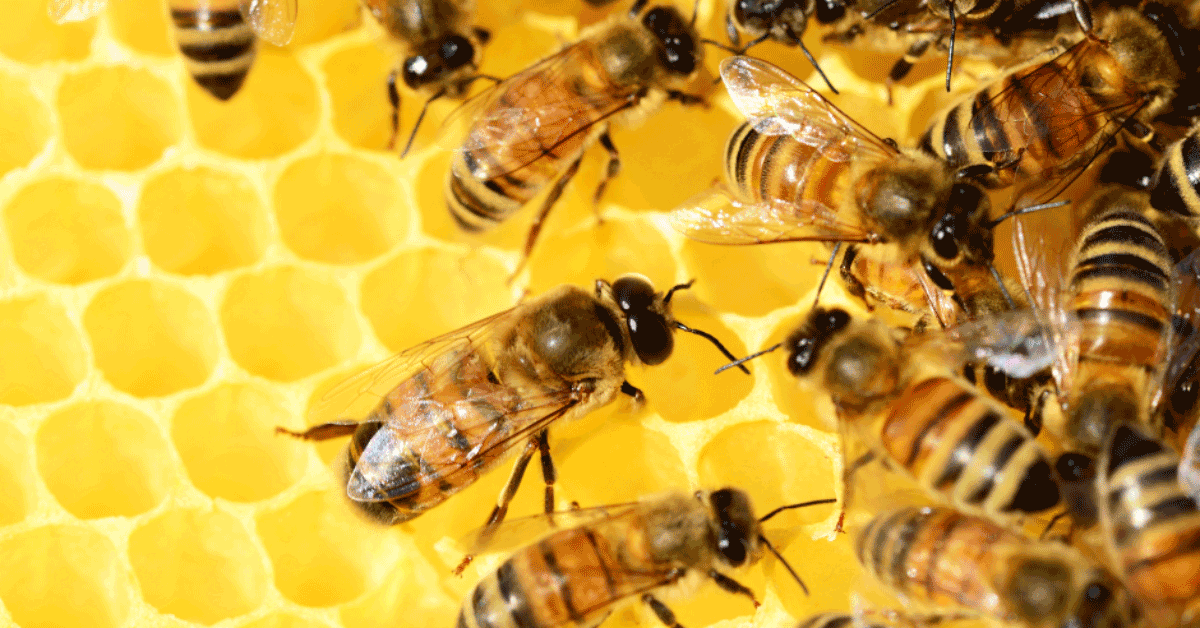
Pollinators — especially bees — play a critical role in fruit crop production, directly influencing yield and quality. Because fruit tree bloom is a short but highly sensitive period, management decisions during this window can have lasting impacts on pollinator health and farm productivity.
Michigan State University (MSU) Extension entomologist Jackie Perkins and Ana Heck recently shared the following update on pollinator best practices as tree fruit bloom starts to get underway throughout the Midwest:
Key practices for fruit growers
- Use integrated pest management (IPM) to reduce overall pesticide use.
- Avoid spraying during bloom if possible, especially insecticides and fungicides.
- Apply pesticides when bees are not active (evening, early morning, or when temps are below 50°F).
- Choose safer, bio-based and/or organic formulations, and prioritize liquids instead of powders or encapsulated products.
- Reduce spray drift through proper air blast sprayer calibration, targeted application and always maintain an awareness of wind conditions.
- Remove flowering weeds (like dandelions and clover) in crop rows before spraying.
- Communicate with nearby beekeepers about hive placement and spray timing.
- Provide untreated flowering habitat (e.g., wildflower plantings) near your orchard or farm to support pollinator health.
RELATED – Q&A: Honeybee health
Reduce risk via IPM
A key strategy for protecting pollinators is adopting IPM best practices. The approach emphasizes growers spend time monitoring pest populations, use biological and cultural controls where possible and only apply pesticides when absolutely necessary. Reducing unnecessary applications lowers the risk of pollinator exposure while maintaining orchard health.
Be strategic with applications
When pesticide use is necessary, timing and method are critical. Applications should be made when bees are least active — typically in the evening or early morning — and under conditions that minimize drift. Properly calibrated spraying equipment helps ensure crop protection sprays are applied only where needed, reducing off-target exposure.
Manage the crop environment
The surrounding environment in your orchard or farm fields can influence pollinator risk. Flowering weeds in crop rows can attract bees into treated areas, increasing exposure. Removing these weeds before spraying helps mitigate that risk.
At the same time, establishing safe, untreated wildflower and/or pollinator friendly plantings outside of production zones can provide essential forage and safe nesting areas. These habitats support pollinator populations and can contribute to improved crop outcomes over time.
Communicate and coordinate
Clear communication between growers and beekeepers is essential. Coordinating hive placement, spray schedules and expectations — often through pollination contracts — helps protect managed pollinators and reduces the likelihood of conflict.
Supporting resources
Michigan State University Extension and partner organizations offer tools and training to support pollinator stewardship, including pesticide risk databases, best practice guides, and educational programs.
Overall, effective pollinator stewardship during bloom requires balancing crop protection with pollinator safety. By combining thoughtful pesticide use, habitat management, and strong communication, growers can protect both their crops and the pollinators that sustain them.