

Women in agriculture: Cultivating change
Learn more about three women leading farms and driving innovation





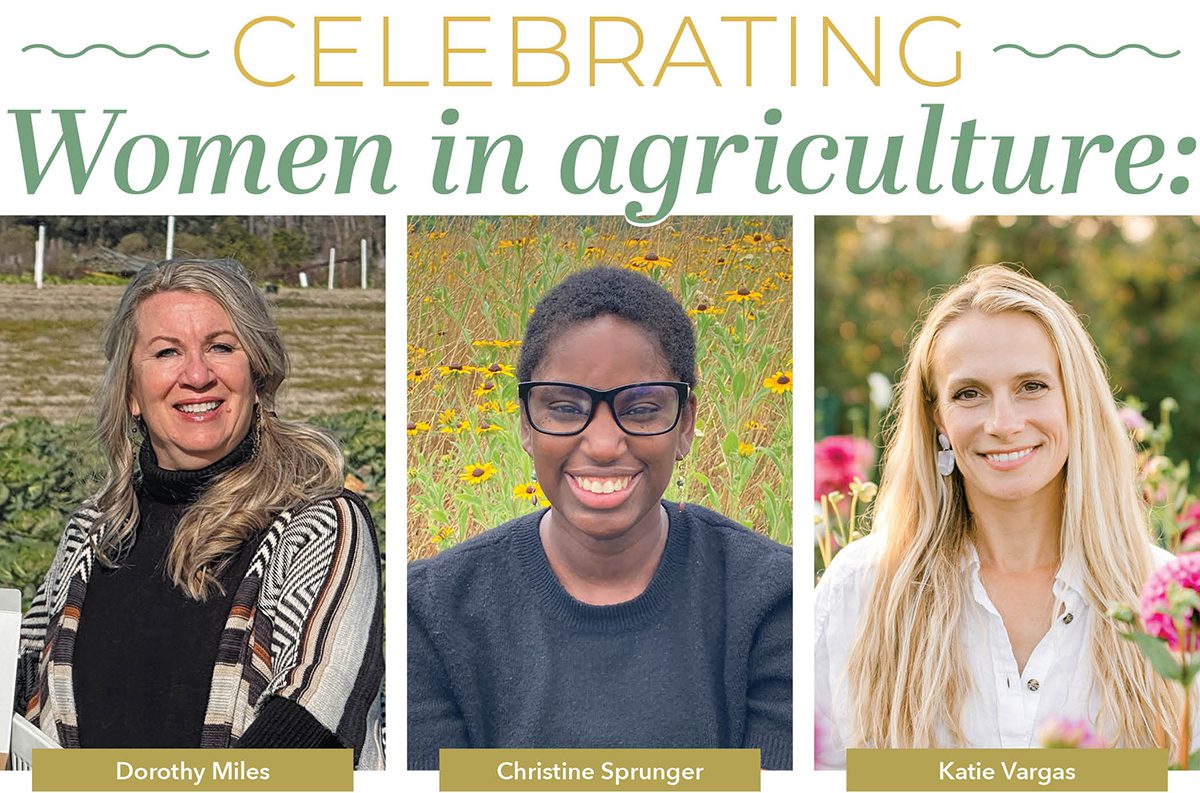
Across fields, research labs and boardrooms, women are reshaping agriculture — not just how food is grown, but how the industry is leading, innovating and adapting for the future. From running multigenerational family farms to directing large-scale operations and pioneering research, women are making their mark in every corner of the sector.
As 2026 is recognized globally as the International Year of the Woman Farmer, this spotlight celebrates the ingenuity, leadership and impact women bring to farms, institutions and communities. By blending hands-on
expertise with new technologies and ideas, they are cultivating stronger operations and a more resilient agriculture industry.
Dorothy Miles: an advocate for change

For Dorothy Miles, farming isn’t just a livelihood — it’s a legacy worth protecting. As owner of Miles Berry Farm in Bexley, Georgia, she has spent decades stewarding land her family has held since before the Civil War, while also pushing for changes she believes are essential to the survival of fruit and vegetable growers.
“My granddaddy didn’t grow with chemicals,” she said. “We pinched the bugs off. I knew spraying all those chemicals on our food wasn’t healthy.”
That conviction pushed Miles to transition the farm from conventional to organic production in the early 2000s, long before organic farming became mainstream.
Her leadership has always been rooted in practicality. Today, Miles Berry Farm grows organic blueberries, strawberries and a wide range of produce, with diversification accelerated by the COVID-19 pandemic.
“Our food is our national security,” she said. “You can have the biggest army in the world, but if you can’t feed your troops, you don’t have anything.”
That belief propelled Miles into advocacy. She became a key signer in federal legal action challenging rising H-2A wage requirements — a move that carried real risk.
“People hear $16 an hour and think that’s the cost. It’s not,” she said. “When you add everything up, it’s closer to $28 to $32 an hour. For fruit and vegetable growers with perishable crops, the math simply doesn’t work. We’re not mining diamonds. We’re growing food.”
Despite fears of repercussions, Miles stepped forward.
“If we don’t stand up and do something, who will?” she said. Her willingness to act earned her the 2025 Dan Bremer Service Award at the Southeast Regional Fruit & Vegetable Conference — an honor she never expected.
“I was stunned,” she said. “To have my name tied to someone who gave so much to this industry — it’ll make you get up in the morning when you don’t want to.”
For Miles, leadership means nurturing, teaching and showing up.
“You don’t have to know everything,” she said. “I’ve been farming my whole life, and I’m still learning.”
Christine Sprunger: researching soil health
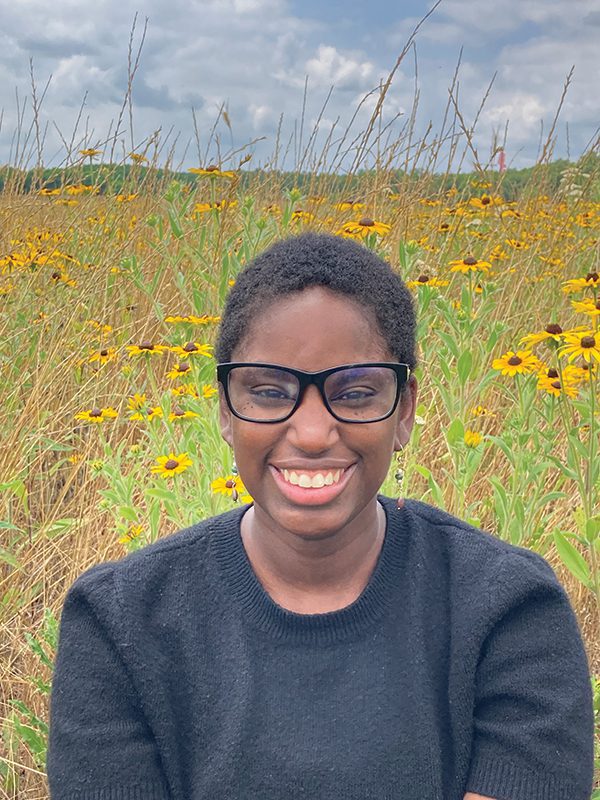
Christine Sprunger asks questions most farmers don’t have time to — about how living soils work, why they matter and how understanding them can help farms thrive long-term. As an associate professor of soil health in the Department of Plant, Soil and Microbial Science at Michigan State University, her research aims to boost crop yields while strengthening ecosystem services, such as carbon sequestration and nutrient retention.
“Working at the Kellogg Biological Station and Michigan State University is my dream job,” she said. “The long-term trials established at KBS allow me to ask mechanistic questions about soil health and sustainability in an unmatched research setting. Moreover, MSU and KBS have exceptional farmer networks that help bolster my lab’s on-farm research.”
Soil health has gained significant attention in recent years due to its connection to agronomic performance and key ecosystem services ranging from carbon storage to water quality and biodiversity.
“To me, what’s important is thinking how to quantify soil health, especially on farmer fields,” Sprunger said. “A holistic approach considers biological, chemical and physical processes in the soil. Traditional soil testing generally focuses only on chemical aspects, but there is so much more to understand when you add physical and biological measures.”
For Sprunger, one of the most rewarding aspects of her role is advising, mentoring and educating the next generation of scientists.
“I currently lead a lab of 16 people, and one of the most challenging aspects of my role is securing the funding needed to conduct impactful research that supports farmers while sustaining my team as they grow into independent scientists,” she said. “Threats to federal funding not only reduce investment in critical research but also limit opportunities for emerging scientists.”
She works to connect the nitty-gritty details to big picture ideas so broader audiences can understand why the work matters. Some of her most impactful research has involved incorporating nematodes into soil health frameworks.
“While soil health assessments often focus on chemical, biological and physical indicators, they rarely directly measure soil organisms,” Sprunger said. “Yet farmers care deeply about the living components of soil. We’ve worked to quantify beneficial nematodes in farmer fields to help growers understand and manage biodiversity on their own farms. Our research shows that nematodes can contribute to building soil organic matter — an essential component of maintaining soil health.”
Currently, only about 20% of soil science faculty are women, and that’s something Sprunger hopes will change.
“There will be instances where you are the only woman in the room,” she said. “Don’t let that intimidate you. Instead, see it as an opportunity to use your voice. The more people who hear your strong ideas, the more they will want to involve you in research and collaboration. You belong in that room.”
By The Numbers: Women in U.S. agriculture
According to USDA 2022 Census data:
- 1.2 million female producers — 36% of all U.S. producers
- 58% of farms have a female producer
- 41% of ag sales come from these farms
- 46% of U.S. farmland is managed by women
- $222 billion in 2022: sales from farms with female producers
Katie Vargas: carrying a legacy
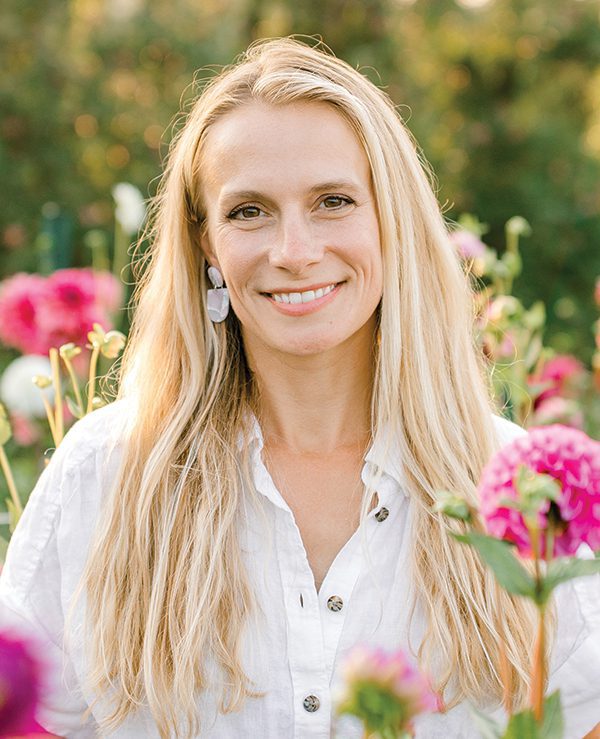
Katie Vargas grew up learning agriculture the hands-on way, through early mornings, harvest seasons and working side-by-side with the people who make farms run. Today, those experiences shape her role as a sixth generation grower at Joe Rasch Orchards in Michigan, where she helps guide the business through a rapidly changing industry.
“One of my consistent jobs during harvest in early high school was quality control, so I was working alongside our seasonal workers,” she said. “During one of our busiest seasons, I pushed myself to learn Spanish while I was out in the orchards because it was disruptive to always have to call our manager to translate for me.”
That experience led Vargas to study international business, Spanish and Latin American studies in college — skills she now uses daily in her work in the orchards.
“I apply all of that by handling our H-2A filings, HR management, audits and really all the business and administrative responsibilities,” she said.
Still, returning to the family farm was not something Vargas initially envisioned.
“I came back to the farm after working at an H-2A service agency,” she said. “My husband is also from a farming family, and when my parents began talking about retirement, we decided to give the farm a shot. Our skills complement each other really well, and we both enjoy the farming lifestyle we grew up with. I’m proud to carry on such a long family farming legacy.”
Vargas draws inspiration from the women who came before her, even if they weren’t always visible decision-makers.
“There aren’t many women in the generations before me who held leadership roles, even though I know they were critical behind the scenes,” she said. “I look to the women I know, especially my mom and grandma, who were so crucial to the farm. I’m proud to represent all the work they’ve done.”
She admits finding her voice early on wasn’t easy.
“It was really important for me to build that confidence by spending time researching the topics that I have been most concerned with and accepting speaking opportunities, even when public speaking was outside my comfort zone,” Vargas said. “I’m also excited to see so many other women in my generation involved and bringing their talents to the industry. There are much-needed leadership roles being filled by women during a difficult time in the industry.”
Vargas became involved with USApple through its Young Apple Leader Program, now known as NextGen.
“I wanted to share my experience at a time when the industry has been struggling,” she said. “When I was nominated for a board position, I was grateful to accept. Access to affordable labor and international market access are critical issues right now.”
For women thinking about a career in agriculture, Vargas encourages them to not second-guess themselves.
“I think now is an important time for more women to get involved,” she said. “The industry is changing rapidly, and there are so many opportunities to bring new perspectives and talents. So many women I know are exceptional at juggling multiple priorities, which is critical in agriculture with so many moving parts. I’ve also experienced a great deal of openness and support from other women in the industry, and I would advise anyone considering a career in agriculture to know there is a lot of support out there.”
Add your voice
Women across agriculture are driving change, and a nationwide study by the American Farm Bureau Federation aims to better understand their impact.
The National Women in Agriculture Study is gathering insights on leadership, challenges and opportunities to help strengthen support systems across the industry.
The survey welcomes input from farmers, ranchers, agribusiness professionals, educators, advocates and others connected to agriculture, forestry and the life sciences. Results from the study will be shared at the International Year of the Woman Farmer Advocate, Cultivate, Empower Summit to be held in Washington, D.C., in June 2026.
The survey is open through March 31, 2026. Take the survey here.
A graduate of the University of Miami, Keith Loria is an award-winning journalist who has been writing for almost 20 years. View his recent writing at keithloria.contently.com.