

Commentary: 5 AgTech trends to watch in 2024
Of all the 2024 trends in digital agriculture, the role played by Gen AI, or generative AI, is likely to be one of the most significant.





No. 1: Generative artificial intelligence (AI) in AgTech
Of all the 2024 trends in digital agriculture, the role played by Gen AI, or generative AI, is likely to be one of the most significant. The potential of Gen AI on the global economy is already being calculated in trillions of dollars. There is a historic opportunity to optimize processes, cut costs, and importantly, fuel innovations through improved modelling to fuel decision-making.
Ron Baruchi
Companies are already using Gen AI through Digital Crop Advisors, allowing agronomists to distill agronomic data into actionable recommendations for farmers. These tools enhance crop management by analyzing big agronomic data, providing AI-supported insights to optimize production practices. This helps farmers understand patterns affecting the performance of crop varieties and production on their specific farms, and tracks climate trends to help farmers become more resilient to the changing climate.
No. 2: Using digital twins to optimize field trials
An interesting 2024 trend is increased integration of digital twins into field tests and field test planning. A digital twin is a digital model or a virtual representation of an actual physical product, system or process. These allow researchers and designers to experiment as though they were handling its physical counterpart, reducing the need for expensive and time-consuming field trials.Generating real-world data is a costly and time-consuming process, averaging more than 150 studies and more 11 years to register a new active ingredient. From 2010-14, developing a new crop protection product cost around $286 million, of which, $47 million (approximately 16%) was budgeted for field trials.
Synthetic data can enhance the performance of digital twins. Based on real-world data, synthetic data can supplement data gaps, significantly reducing the time, cost and effort in bringing new agricultural products to market. These tools provide a competitive edge for agricultural input suppliers seeking regulatory approval, or seed companies that rely heavily on experimentation to improve their seed genetics.
No. 3: Technical innovation in regenerative ag
Greater technical innovation and research into regenerative agriculture will continue over the coming year. Essentially mimicking natural process and biodiversity on agricultural land, the ultimate aim of regenerative agriculture is to improve soil health in order to boost yield.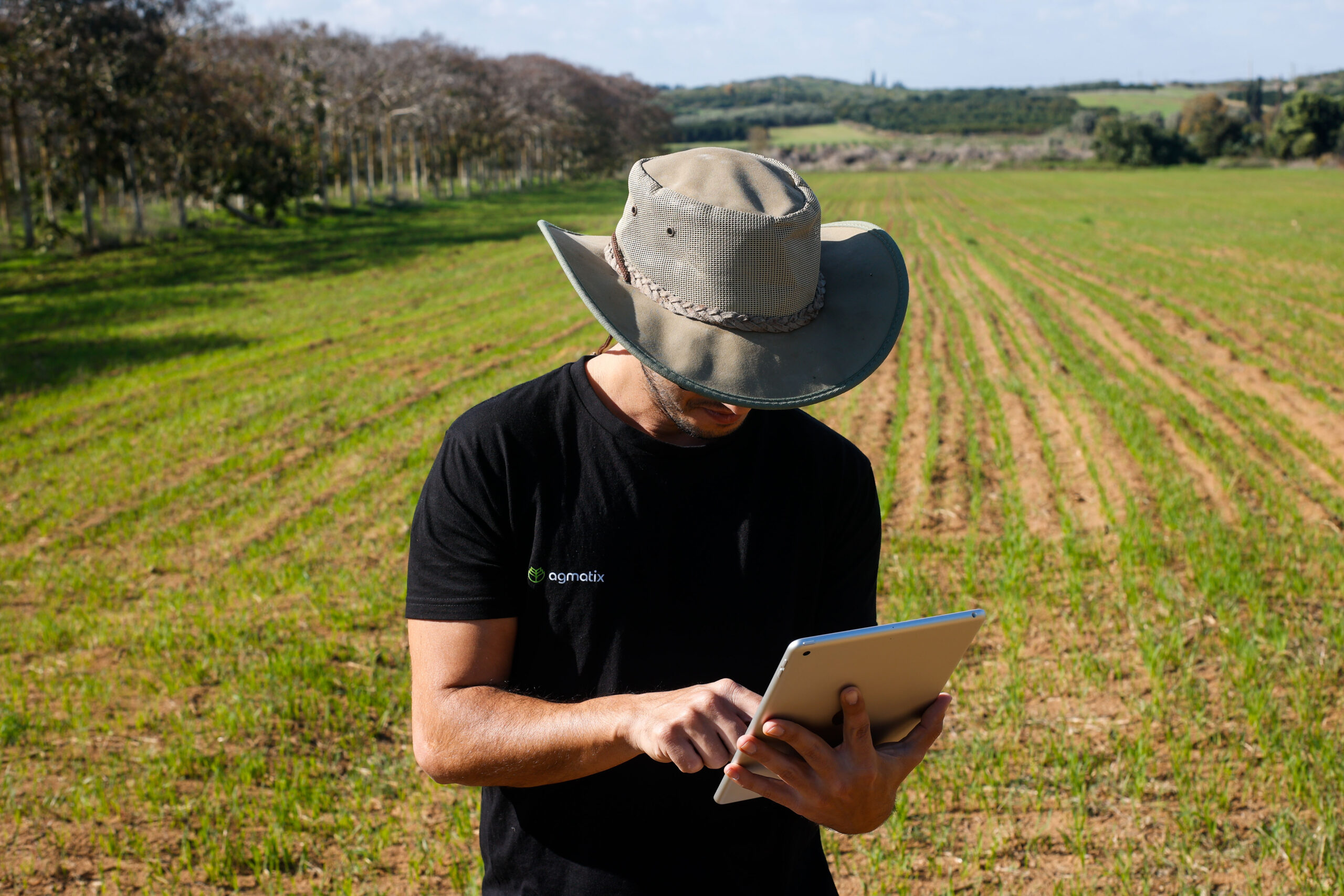
To address the challenges of climate change and feed a global population of over 8 billion, regenerative agriculture is vital. Digital tools use accurate, up-to-date data to create tailored regenerative agriculture solutions. These consider soil conditions, weather conditions, microclimates, and current crop growth or land use, as well as individual budgets and local regulations.
Platforms offering site-specific data will likely reign supreme in 2024. A view of sustainability that extends beyond simple carbon metrics and one-size-fits-all solutions is necessary and will enable the establishment of realistic, actionable objectives for growers, promoting sustainability and formulating strategies tailored to local environments.
No. 4: Managing data with advanced cloud solutions
Innovation in agriculture is often data-dependent and the cloud gives researchers the ability to collate, manage, and extrapolate information from data in a way that was previously unimaginable. Anticipated exponential growth in farm data emphasizes the transformative impact — International Data Corp. has estimated that by 2036 the amount of data collected on the farm will increase by more than 800%. Cloud tools enabling real-time access to field trial data reduces trial duration and cost, and the volume and scope of trials can be increased.Cloud applications span every aspect of agriculture, optimizing crop management, soil insights, multi-season crop monitoring and analysis, and leveraging local knowledge for decision-making. Cloud-based solutions foster collaboration between researchers, agronomists and farmers, providing R&D companies with an efficient, cost-effective and scalable solution.
No. 5: Innovation across the agricultural spectrum
Agriculture’s innovative history is turning towards sustainability and environmental protection, marking a transformative era. The new year will see progress in climate-resilient crop development.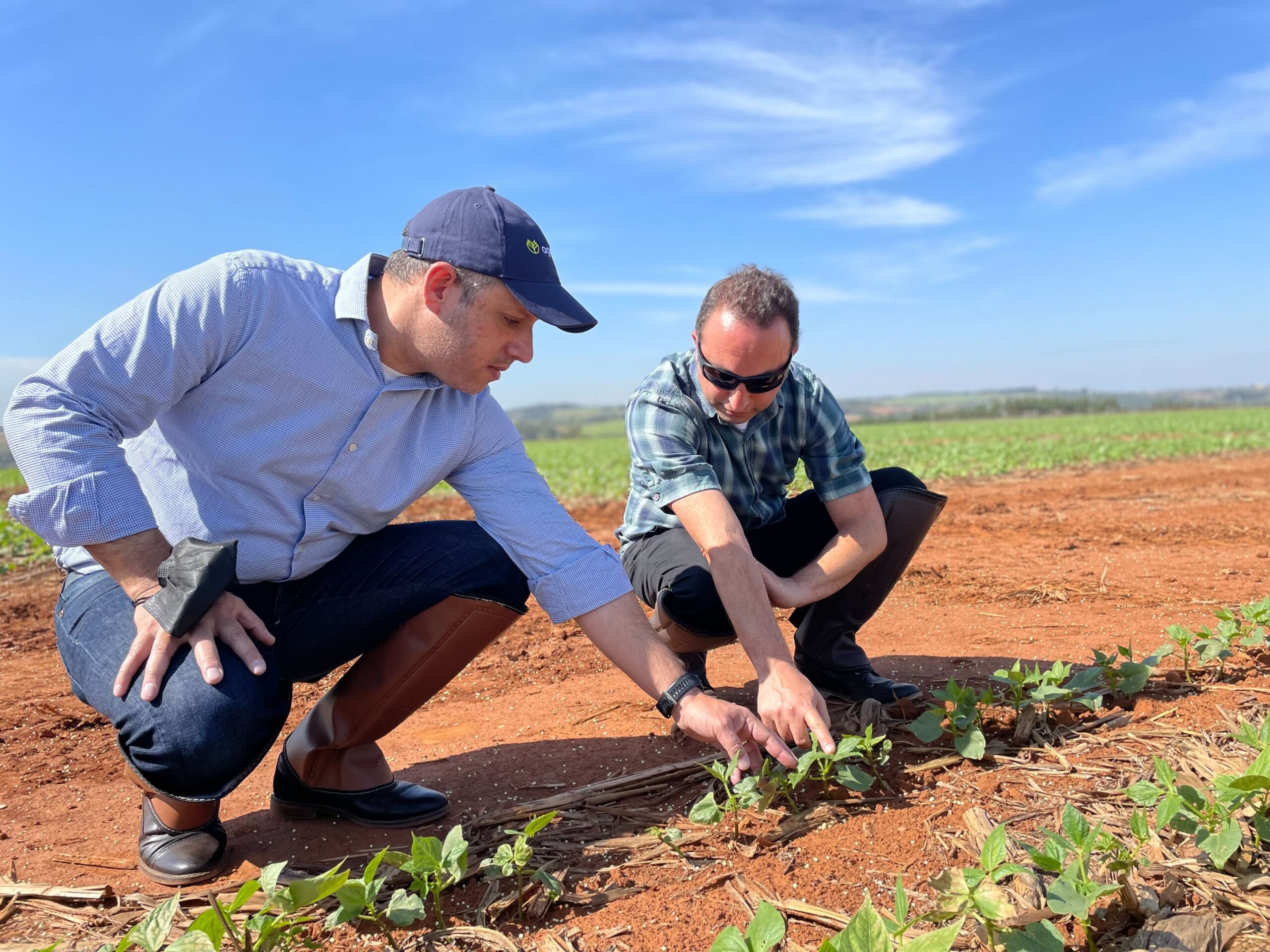 At the farm level, digital technologies empower farmers to process and use the data they collect. AgTech solutions can help farmers and agronomists measure and demonstrate the return on investment of agricultural technologies. Amidst global challenges, stakeholders using AI and machine learning will drive unprecedented innovation in food production.
A pivotal year for AgTech
In 2024, the rise of Gen AI, impact of digital twins on field trials, and the evolution of cloud-based technologies will revolutionize the AgTech landscape. Various entities, including Agmatix, are using these cutting-edge technologies, crafting advanced software solutions to reshape the field of agronomy.Ron Baruchi is president and CEO of Agmatix. With more 20 years of experience in the technology sphere, Baruchi wanted to take this experience to the agricultural sector. Passionate about using data to solve complex problems, he has used his expertise in technology and AI with Agmatix to improve crop yields and quality while limiting environmental impact.