







Feb 16, 2026Managing sublethal effects in orchard pests
For apple, peach, cherry and other fruit growers, effective pest management goes beyond simply killing insects.
Insecticides can influence pests and beneficial insects in subtle ways that don’t result in immediate death. These “sublethal effects” can alter reproduction, feeding behavior, movement and interactions with predators and parasitoids, making them an important consideration in any integrated pest management (IPM) program.
Question: Insect pest populations and biological control agents (BCAs) exposed to insecticides may result in sublethal effects. Can you explain what sublethal effects are?
Answer: Sublethal effects are a complex topic, but here is an overview. Insecticides are used to manage or maintain pest populations below levels that damage crops. They can have direct toxic effects that are acute or chronic. Acute toxicity generally kills pests within 72 hours, while chronic toxicity may take several days.
Sometimes, pests are exposed to concentrations below the LD50 — the dose that kills 50% of the population. These sublethal concentrations can result in sublethal effects, which include changes in reproduction, lifespan, development, population growth and feeding behavior. Sublethal effects also occur when surviving pests produce enzymes that detoxify insecticides, potentially leading to resistance.
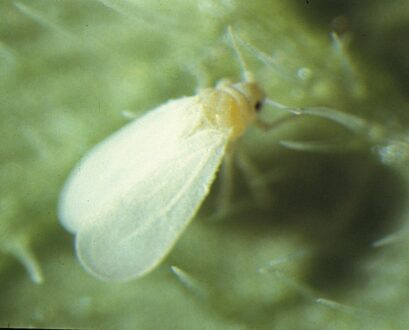
Sublethal exposure can occur due to improper application (such as poor coverage or mistimed sprays) or degradation of insecticides by sunlight or irrigation, which reduces residual activity. Such exposure can influence insect biology and behavior even if individuals are not killed outright.
Sublethal concentrations may reduce survival, reproduction and adult longevity and can slow development. Foraging behavior and mobility may also be affected. In some cases, however, sublethal exposure can have the opposite effect, enhancing survival, reproduction and development, a phenomenon known as hormesis or hormoligosis.
Effects on biological control agents
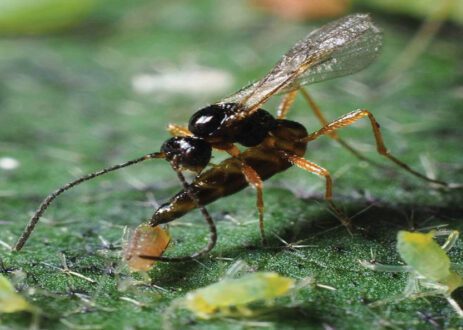
Sublethal effects do not only affect pests. BCAs such as parasitoids and predators can also experience physiological and behavioral changes.
Physiological effects include alterations in reproduction, development time and adult longevity. Behavioral effects include changes in foraging or searching time, mobility, prey consumption, prey handling time, prey acceptance and attack rates.
For example, exposure to sublethal concentrations can increase prey handling time, reduce predation rates and decrease the number of attacks by parasitoids, which may limit their ability to maintain pest populations below damaging levels.
Multiple physiological and behavioral parameters can be affected simultaneously, both for BCAs and pests.
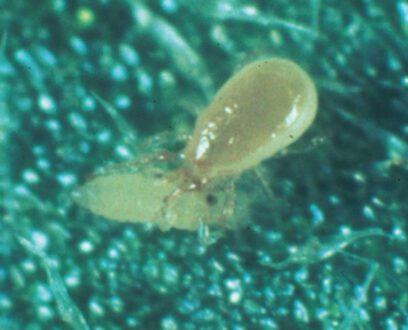
Sublethal effects on BCAs may include reduced reproduction, slower development, decreased survival, lower prey consumption populations below damaging levels. and altered behavior, such as increased walking speed. In some cases, the ability of predators to detect volatiles emitted by pests or plants may be diminished, reducing their effectiveness. Conversely, some exposures can enhance reproduction. For instance, exposure to sublethal doses of pyriproxyfen, an insect growth regulator sold as Distance and Fulcrum, increases reproduction of the female parasitoid Eupelmus vuilleti.
Factors influencing sublethal effects
The sublethal effects of insecticides vary widely depending on factors such as:
- Species, age, sex, and life stage of the pest or BCA (egg, larva, nymph, pupa, adult)
- Duration of exposure
- Insecticide active ingredient and mode of action
- Formulation, rate, timing and residual activity of the insecticide
Understanding these variables is critical for designing effective pest management programs that minimize negative impacts on both pests and beneficial insects.
-By Raymond A. Cloyd. He is a professor and Extension specialist in horticultural entomology/plant protection at Kansas State University. Cloyd can be reached at rcloyd@ksu.edu.






Current Issue

Master Farmer Awards at Great Lakes EXPO
2025 Fruit + Vegetable 40 Under Forty award winners
Lakeview Hill Farm: Growing fruit — and farmers — in Michigan
Microscopic organisms fuel big idea
Fresh Views – Blueberry fruit quality: separating fact from perception
Farm Market + Agritourism: finding and keeping your CSA members
Ag Labor Review: finish the job on H-2A reform
see all current issue »