








Jun 21, 2024FGN Labor Survey results highlight grower challenges
In the ever-evolving landscape of agriculture, labor remains a perennial concern for fruit and vegetable growers. The 2024 FGN labor survey results shed light on the ongoing challenges farmers face and the strategies they consider to navigate those challenges.
Survey trends over time
In 2019, a majority (59%) of respondents reported having enough labor, while 41% faced shortages, according to the annual survey conducted by Fruit Growers News and Vegetable Growers News.
By 2023, the balance had shifted, with only 46% reporting adequate labor.
The trend continued in 2025, highlighting persistent struggle for growers to meet labor needs.
H-2A usage and outsourcing
 The H-2A program remains a vital labor resource. In 2024, half of respondents reporting utilizing H-2A workers, with 83% outsourcing the recruiting process. Opinions split on fully outsourcing labor management, with 49% choosing this route.
Growers also expressed frustration over rising costs.
One grower shared:
“The new H-2A legal process and wages have caused my company to completely outsource our labor force to handle recruitment. With increased wages and labor contractor fees, I have been forced to reduce the quantity of my workforce. A smaller workforce means I have to manage harvest more efficiently and spend more money to work overtime. Overall, the new wages and legal process has significantly cut into my margins and my bottom line.”
Wage requirements and costs
The survey revealed widespread concern about affordability. Nearly half of respondents (44%) cited the rising cost of H-2A labor as a major challenge.
Growers commented:
- “The increasing costs of the program and wages continues to put some growers at competitive disadvantage to others.”
- “New wage is too high. Labor is up, fertilizer is up, shipping up, chemicals up, etc., food in the stores is up, but I’m still getting the same amount for our veggies.”
Chris Butts, vice president of Georgia Fruit & Vegetable Growers Association, underscored the impact:
“Georgia is becoming increasingly reliant on the H-2A program, especially in terms of fruit and vegetable production. Our industry is faced with double-digit wage increases and regulatory burdens. Economically, it is becoming unviable to use H-2A, but unfortunately it is our only option.”
Impact on profitability and operations
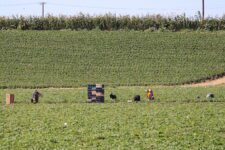 For 21% of respondents, wage increases directly reduced profitability. Some growers reduced hand-harvested crops or acreage, while others considered exiting farming altogether.
“We’re lowering the amount of acres we produce in order to cut costs,” a grower explained. “If the costs are not lowered, we are considering getting out of fruit altogether. That’s a big decision as we’re fifth generation growers. It’s a huge national food security problem that needs to be addressed.”
Coping strategies
Growers reported several ways they adapt to labor shortages and rising costs, including:
- Automation: 26% are exploring automation, focusing on harvesting (64%) and weed control (53%).
- Growing less: 54% are considering growing fewer crops to manage labor constraints.
- Other strategies: Adjusting marketing, exploring alternative labor sources, or cutting back H-2A use.
One grower noted, “This year we have cut back our use of H-2A from over 100 to 25. We cannot afford the rising labor costs.”
Looking ahead
Additional insights from the FGN labor survey results revealed frustration over government policies, overtime rules, and regulatory burdens. Many growers stressed that trade and labor remain the two most pressing issues in agriculture.
The survey findings highlight the urgent need for reforms and support to ensure the long-term sustainability of fruit and vegetable farming. Without meaningful changes, growers warn that labor shortages and rising costs will continue to threaten operations and national food security.
— By Debbie Eisele and Doug Ohlemeier
Latest News
Fruit growers could see stronger disaster aid, automation grants under proposed farm bill






Current Issue

Master Farmer Awards at Great Lakes EXPO
2025 Fruit + Vegetable 40 Under Forty award winners
Lakeview Hill Farm: Growing fruit — and farmers — in Michigan
Microscopic organisms fuel big idea
Fresh Views – Blueberry fruit quality: separating fact from perception
Farm Market + Agritourism: finding and keeping your CSA members
Ag Labor Review: finish the job on H-2A reform
see all current issue »