






Jan 16, 2026Organic certification draws grower interest as margins tighten, import pressure mounts
With profit margins tight and cheap imported produce causing consternation among many specialty crop growers across the country, fruit and vegetable growers are taking a hard look at bringing one of America’s premium brands into their own operations: USDA-certified organic.
In 2025, the state of Georgia counted 336 certified organic farming operations covering 22,135 acres within its borders, and in North Carolina there were 586 organic farms covering 51,036 acres. And there are even more operations currently living in the best of both worlds by splitting acreage between conventional and organic production systems.
Achieving organic certification requires advance planning and completion of several required steps, said Juan Carlos Rodriguez, Transition to Organic Partnership Production (TOPP) program manager.
“There is growing demand for organic — that’s one thing I want to make sure people understand,” Rodriguez said during a session at Southeast Regional Fruit and Vegetable Conference. “Whether you’re buying vegetables or milk or eggs, people are buying organic and there is opportunity there for farmers.”
Rodriguez said farmers interested in transitioning acres into organic production should be aware of the following:
- To initially qualify to begin the certification process, it must be a minimum of 36 months since the last application of prohibited substances (i.e., conventional herbicides, pesticides, fertilizers, etc.) on the acreage you’re transitioning to organic.
- Organic certification can be costly, but cost-share programs are available in nearly every U.S. state to offset the cost of certification. For example, Rodriguez says growers in Florida can receive up to 75% of the costs to get certified back via the cost-share. He advises growers contact their local FSA office for more information.
- “Organic is not input replacement,” Rodriguez said. “You need to actively manage it; it shouldn’t be ‘organic by neglect’. Pest management is also very, very important — people will say you can’t use pesticides, but there are some that are allowed.”
- Growers in the Southeast can access the Southeast Transition to Organic Partnership Program to support their transition to organic certification. Rodriguez said the program features 30 industry partners across seven states and two U.S. territories, offering farmer-to-farmer mentoring, technical assistance, data collection, workforce training and development support.
- Growers already operating under certified organic systems may also qualify for additional support. Rodriguez said experienced organic farmers can earn up to $3,000 annually by providing 40 hours of mentorship to beginning farmers transitioning to organic production.
The organic certification process is relatively straightforward, Rodriguez said. Growers first apply for certification, followed by an initial review of paperwork and production plans. If materials are in order, growers may then schedule an on-farm inspection with a USDA-accredited organic inspector.
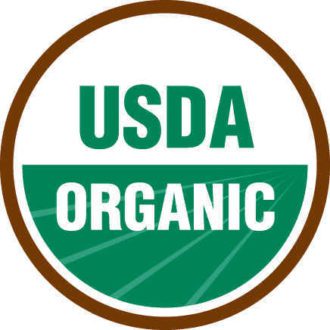
After a successful inspection, a final review is conducted. Once approved, growers receive organic certification and may use the USDA organic seal on product labels, advertisements and farm signage, and make organic claims for their products, Rodriguez added.
Growers located in one of the seven states in the southeast region of the U.S. can email SETOPP@foginfo.com for more certification resources and the application process. Growers in other regions should contact their local FSA office for guidance, Rodriguez advised.






Current Issue

FIRA USA 2025: Robots redefine specialty crop farming
Inside Pandol’s success: How a multigenerational California grower leads in table grapes
Spray drones: best practices for specialty crop use
Farm Market and Agritourism: Strategies to attract today’s farm market shoppers
Ag Labor Review: Taking the reins — a new era for agriculture
see all current issue »