






Feb 16, 2026Blueberry fruit quality: seperating fact from perception
Fruit quality means different things to different people. How large is the fruit? Is it too soft or too firm? Is it flavorful? What are its health benefits? Appearance, texture, flavor (including taste and aroma) and nutritional value are four main quality criteria.
Let’s talk about the two aspects of quality that are often debated among the main commercial blueberry types: texture and flavor.
Texture and flavor: how fruit feels and tastes influences buying
As consumers, we first evaluate appearance, which may entice purchasing. Next, we assess texture, seeking the right feel to indicate ripeness. We look for firm avocados that are just softening or melons that feel heavy and sound slightly hollow. We want a predictable and desirable texture, such as crispy apples, smooth bananas or firm grapes.
If the texture is mealy, gritty or mushy — or otherwise unexpected — the fruit is immediately rejected, and future purchasing is affected.
Flavor adds another layer of complexity. Sweet fruits, or those with a balanced sweet-tart profile, are generally preferred over very sour or bitter ones. Flavor complexity, with multiple aroma notes such as green/grassy, sweet/floral, citrus/lemon, minty and fruity, can create an enjoyable eating experience. It may even leave lasting memories such as, “Last season I had the best blueberries; I can’t wait to enjoy them again at our summer picnic!”
Challenging perceptions: blueberry quality across types
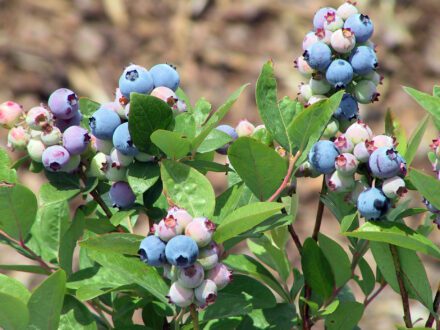
Unlike apples, grapes and tomatoes, blueberries are rarely sold as cultivars. Consumers don’t have an affinity with a cultivar name and specific fruit quality. However, many in the blueberry industry hold preconceived ideas about the fruit quality attributes of northern highbush (NHB), southern highbush (SHB) and rabbiteye (RE) blueberries, the three largest commercial blueberry types and the cultivars within them.
A common subjective bias favors SHB over RE, and both are often compared to NHB, which is perceived as superior. Perceptions include that highbush typeshave better texture (more palatable skin, fewer seeds),longer shelf life and more flavor, with NHB seen asbest overall.
These biases can lower price points for growers and sometimes exclude cultivars or types from some commercial buyers. Often, these negative biases stem from older cultivars or antiquated cultural practices. However, there is limited evidence that supports these preconceived perceptions.
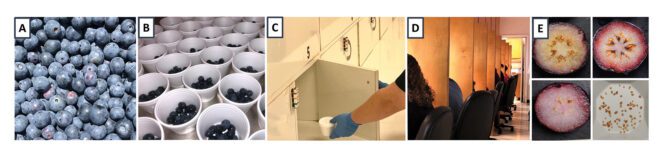
A major goal of my research program has been to examine actual fruit quality differences and similarities among major cultivars of the three largest blueberry types. Through collaborative research, we evaluated fruit quality using consumer sensory tests and instrumental analyses, including postharvest cold storage.
Researching fruit quality across blueberry types
Instrumental measurements of texture did not support the perception that RE have tougher skin or firmer fruit than HB, nor that RE are seedier than NHB. Consumer sensory tests showed that most consumers ranked SHB highest for overall appeal and texture. SHB were preferred for all traits evaluated, while RE and NHB were equally liked — contrary to common industry perceptions.
Flavor results indicated that SHB ranked highest for overall flavor, while RE scored highest for aroma. Sugar and acid analysis suggested that RE and SHB may offer a more desirable sweet-tart balance, while NHB may taste more acidic. In postharvest storage, SHB maintained firmness and skin strength best, and SHB and NHB preserved visual appearance most effectively.
Overall, these findings challenge the perception that NHB has superior fruit quality compared with SHB and RE. It is my hope that research from my lab and others will continue to dispel these outdated ideas. Don’t just take my word for it — try some delicious blueberries from Georgia and the Southeast, and taste for yourself.
-By Dr. Rachel Itle. She is an assistant research scientist in fruit production and genetics in the Department of Horticulture at the University of Georgia. Itle’s research and Extension program focuses on perennial fruit crops, such as blueberry, concentrating on physicochemical fruit quality traits and their genetics. Her program also researches freeze protection, biostimulant applications and trellising systems, among others.






Current Issue

Master Farmer Awards at Great Lakes EXPO
2025 Fruit + Vegetable 40 Under Forty award winners
Lakeview Hill Farm: Growing fruit — and farmers — in Michigan
Microscopic organisms fuel big idea
Fresh Views – Blueberry fruit quality: separating fact from perception
Farm Market + Agritourism: finding and keeping your CSA members
Ag Labor Review: finish the job on H-2A reform
see all current issue »