







Nov 19, 2024Researchers explore anaerobic soil disinfestation for strawberries
In strawberry farming, soilborne pathogens have long posed a challenge. Historically, chemical fumigation has been the preferred method of reducing harmful soil pathogens. However, new regulations are making synthetic fumigation more difficult for small growers and farms close to public places. Anaerobic soil disinfestation for strawberries is emerging as an alternative that could support organic and natural production, as well as farmland buffer areas.
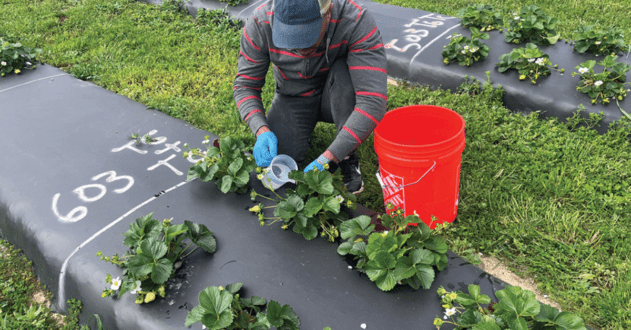
Strawberry growers seeking sustainable disease management strategies could benefit from research underway at Virginia Tech’s Hampton Roads Agricultural Research and Extension Center (AREC). Scientists are examining anaerobic soil disinfestation (ASD) as a natural approach that may help revolutionize strawberry farming.
How anaerobic soil disinfestation works
ASD depletes oxygen levels in the soil during treatment, producing toxic byproducts that kill soilborne pathogens. Most harmful organisms are aerobic and require oxygen to survive and multiply. ASD and fumigation both aim to clean soil of pathogens and control diseases, but ASD also targets weed seeds, insects, and nematodes.
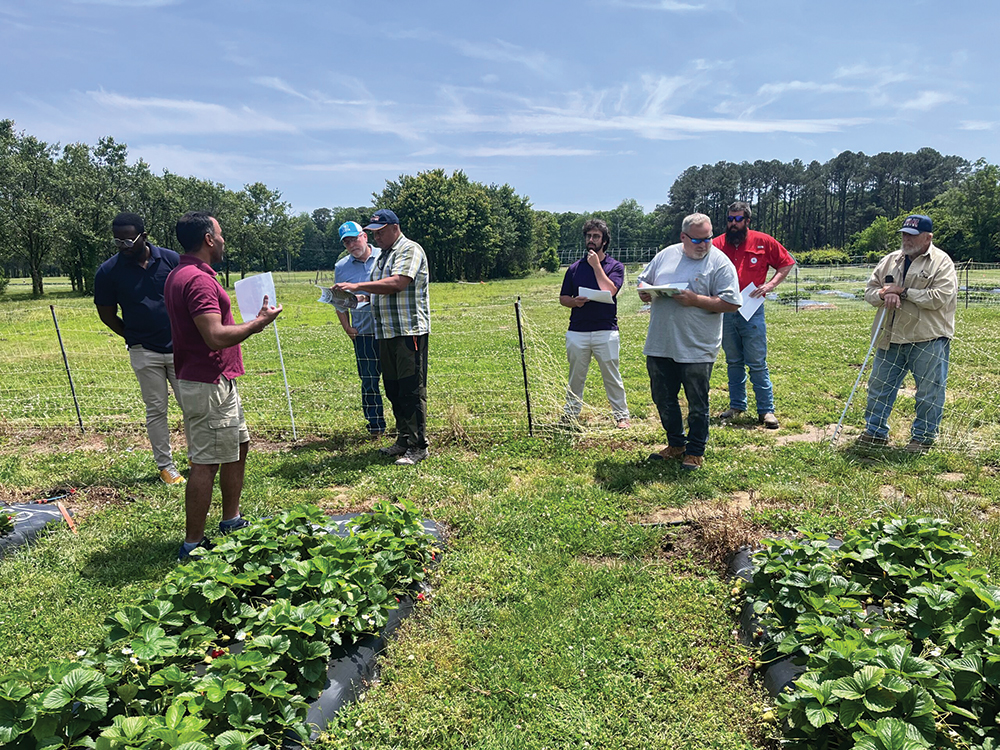
“There is an urgent need for the adoption of sustainable alternative disease management measures that pose little threat to human health and the ecological system,” said Jayesh Samtani, associate professor at Virginia Tech and small fruit Extension specialist at the Virginia Beach AREC. “ASD with beneficial microbes could be an eco-friendly approach to controlling diseases and improving soil, especially in limited sources, organic farming and smallholder farming. In addition, the use of ASD with beneficial bacteria in agriculture can greatly benefit integrated pest management (IPM) programs, particularly in situations where soilborne pathogens are a major concern.”
Promising results from Virginia Tech
In a two-year study, researchers observed no natural incidence of crown rot or root cot caused by soilborne pathogens in ASD-treated strawberry plants. Interestingly, fruit rot diseases such as anthracnose fruit rot (Colletotrichum acutatum) and botrytis fruit rot (Botrytis cinera) were reduced in ASD plots.
These diseases occur regularly in East Coast strawberry production. Through ASD-treated plants yielded less than fumigated plots, Samtani said researchers noted an increase in fruit sweetness and higher pH levels compared to fruit from fumigated soil.
The ASD process involves adding carbon sources and water under polyethylene mulch to create anaerobic conditions that stimulate microbial growth. This leads to soil changes such as the formation of fatty acids, lower pH, higher moisture, and altered nutrient content. Another mechanism is lowering the redox potential below critical levels, which reduces pathogen survival.
Combining ASD with beneficial microorganisms
“Engaging beneficial microorganisms such as endophytic bacteria that are used as biofertilizers or biostimulants with the ASD technique could generate a powerful tool to control soilborne pathogens,” Samtani said. “If we can optimize the technique to improve growth and yield of strawberries, it could play a role in sustainable crop production.”
Beneficial microorganisms improve plant nutrition, enhance growth under stress, and increase yield and quality. They act as nutrient suppliers, phytohormone producers, biocontrol agents, and soil structure enhancers.
Climate change is another driver of this work. Rising pest and disease threats make it vital to use methods that boost plant resistance. “Beneficial bacteria play a key role in strengthening plant immunity and adaptability, ultimately increasing the ability of strawberries to withstand environmental stressors,” Samtani said.
Advancing sustainable strawberry production
Virginia Tech researchers continue to study how anaerobic soil disinfestation for strawberries can reduce pesticide use and improve sustainability. Samtani’s program also focuses on biofumigation, cultivar evaluation, extending harvest seasons, and supplementary nutrient applications. His mission is to deliver sustainable, economically viable solutions for berry growers while enhancing agritourism opportunities.
Latest News
Fruit growers could see stronger disaster aid, automation grants under proposed farm bill





Current Issue

Master Farmer Awards at Great Lakes EXPO
2025 Fruit + Vegetable 40 Under Forty award winners
Lakeview Hill Farm: Growing fruit — and farmers — in Michigan
Microscopic organisms fuel big idea
Fresh Views – Blueberry fruit quality: separating fact from perception
Farm Market + Agritourism: finding and keeping your CSA members
Ag Labor Review: finish the job on H-2A reform
see all current issue »